What You Should Know About the Common Cause of Heel Pain
Heel pain is among the most common musculoskeletal complaints and affects millions of people throughout the world. Whether you are an athlete, a busy professional who's on your feet all day, or simply enjoy extended walks, heel pain can quickly sideline you and limit your mobility. On the other hand, though most think of heel pain as little more than a minor aggravation, it may actually serve as an indication of deeper biomechanical problems. Understanding the Common Cause of Heel Pain, how it develops, and effective treatment are the first steps toward long-lasting relief from pain.
The following guide explains the top causes of heel pain, how to spot symptoms early on, what puts you at greater risk, and the most helpful treatment strategies available today.
The most common cause of heel pain is plantar fasciitis.
Whenever anyone mentions heel pain, it is usually-whether they know it or not-about plantar fasciitis. It is the number one Common Cause of Heel Pain and accounts for nearly 80% of heel pain cases.
What Exactly Is Plantar Fasciitis?
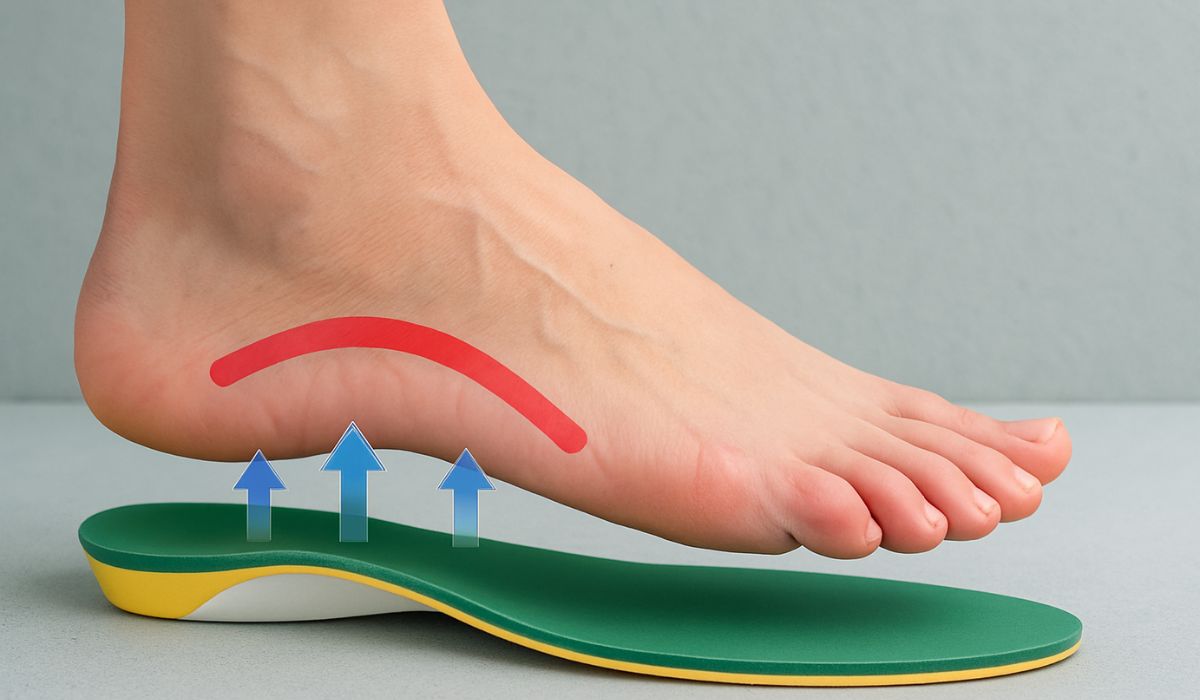
The plantar fascia is a tough band of fibrous tissue originating at the heel bone. It extends along the bottom of your foot to the toes.
Its main roles include:
-
Supporting the arch
-
To absorb shock during motion
-
Stabilization of the foot while standing and when walking
When the plantar fascia is overstretched or overly loaded, it develops microscopic tears. With time, those tears result in inflammation and stiffness; this condition is commonly referred to as plantar fasciitis.
Why does plantar fasciitis happen?
Common triggers include:
-
Sudden increase in the level of physical activity
-
Working on hard surfaces for a long period of time
-
Wearing flat, unsupportive shoes
-
Tight calf muscles
-
Additional body weight puts added stress on the fascia.
-
Common structural foot problems include flat feet or high arches
Common symptoms to be identified early
Symptoms of plantar fasciitis are very distinctive:
-
Severe sharp heel pain on rising
-
Pain after a long period of sitting or resting.
-
tenderness at the origin of the heel
-
Pain that worsens after activity and rarely during
-
Arch tightness and Achilles tendon tightness
Symptoms can be episodic, but if left untreated, they can persist.
Other Common Causes of Heel Pain
Of these, plantar fasciitis is the most common disorder of the heel; although many conditions are responsible for heel pain, knowledge of these is useful for diagnosis and appropriate management.
Achilles Tendinitis
Your Achilles tendon is the largest tendon in the human body; it connects calf muscles to the heel. Inflammation from overuse or tightness causes Achilles tendinitis.
Symptoms include:
-
Rigidity in the heel of the back
-
Pain worsened by weight bearing or climbing up stairs
-
Achilles swelling
-
Tenderness with squeezing of the tendon
Heel Spurs
A heel spur is a bony overgrowth occurring from the pulling action of the plantar fascia on the heel bone. Contrary to popular belief, heel spurs themselves do not always cause pain.
Symptoms:
-
Sharp pains when walking
-
Localized inflammation
-
Pain under the heel when standing for long periods.
Stress Fractures
Stress caused by repetitive motion, from running for example, may result in microscopic fissures in the heel bone.
Indicators:
-
Pain localized to the area that worsens with weight-bearing
-
Swelling
-
Tenderness to touch
Most of these fractures demand immediate rest and professional assessment.
Heel Bursitis
The bursae are small fluid-filled sacs that, when functioning normally, reduce friction between tendons, ligaments, and bones. Inflammation of the heel bursa causes heel bursitis, usually under or behind the heel bone.
Symptoms:
-
Deep ache in the back or bottom of the heel
-
Swelling
-
Pain while standing on the toes, or pressing the heel
Entrapment Neuropathy: Tarsal Tunnel Syndrome
Nerve compression near the heel can create a burning or tingling sensation. This condition is common for those suffering from flat feet, diabetes, or swelling around the ankle area.
What Causes These Heel Conditions?
Root Anatomy & Biomechanics Knowing the biomechanics of heel pain allows for effective prevention.
- Poor Foot Alignment: Flat feet lead to overpronation, which is the rolling of the foot inward. Resulting from this motion is excessive stretching of the plantar fascia. High arches decrease the shock-absorbing ability and increase impact forces on the heel.
- Weakened foot muscles: The plantar fascia has to make up for the weakness in the arch-supporting muscles; hence, it is strained.
- Swollen tendons: Calf muscles or Achilles tendons that are too tight limit ankle mobility, pulling at the heel and increasing tension.
- Hard Surfaces: Standing or walking on concrete or tile floors can stress the structures of an individual's foot.
- Sudden Changes in the Level of Activity: Sudden increases in running distance or standing hours often provoke heel pain.
- Aging: The heel's natural fat pad thins with age, allowing less cushion and more impact stress.
How Heel Pain Is Diagnosed
Accurate diagnosis will help avoid unnecessary treatment and ensure speedy recovery.
Physical examination
A specialist will:
-
Examine tender points
-
Check arch type
-
Observe gait
-
Measure ankle flexibility
Imaging Tests
-
X-rays detect bone spurs, fractures, arthritis
-
Ultrasound assesses plantar fascia thickness
-
MRI identifies severe tears or nerve problems
This combination helps narrow down the exact cause of heel pain.
Treatment options for heel pain.
Most heel pain conditions are very treatable by non-surgical methods. Quite often, the fastest recovery rate is achieved by incorporating multiple methods of treatment.
Rest and modification of activities
Above all, the strain on the foot should be reduced.
Avoid:
-
High-impact sports
-
Standing over a long period
-
Barefoot walking on hard floors
Ice Therapy
Yes, ice reduces inflammation and numbs pain.
Recommended practice:
-
Apply ice for 15 minutes
-
2–3 times a day
-
You can roll the foot on a frozen bottle for an added fascia stretch.
Stretching and Strengthening Exercises
Stretching is one of the best treatments for the common cause of heel pain.
Key Exercises:
- Calf Stretch: This helps to decrease the tension on the Achilles and plantar fascia.
- Towel stretch: This is a mild fascia pull exercise that improves flexibility.
- Plantar Fascia Massage: Breaks up tightness under the arch
- Toe Curls &: Marble Pickup: Strengthens arch muscles
- Wall stretch: This stretches the soleus muscle.
Daily stretching, when done habitually, considerably minimizes the time required for recovery.
Comfortable Footwear
Wear shoes with:
-
Proper arch support
-
Deep heel cup
-
Cushioning midsoles
-
shock-absorbing materials
Avoid flat shoes, thin soles, or worn-out footwear.
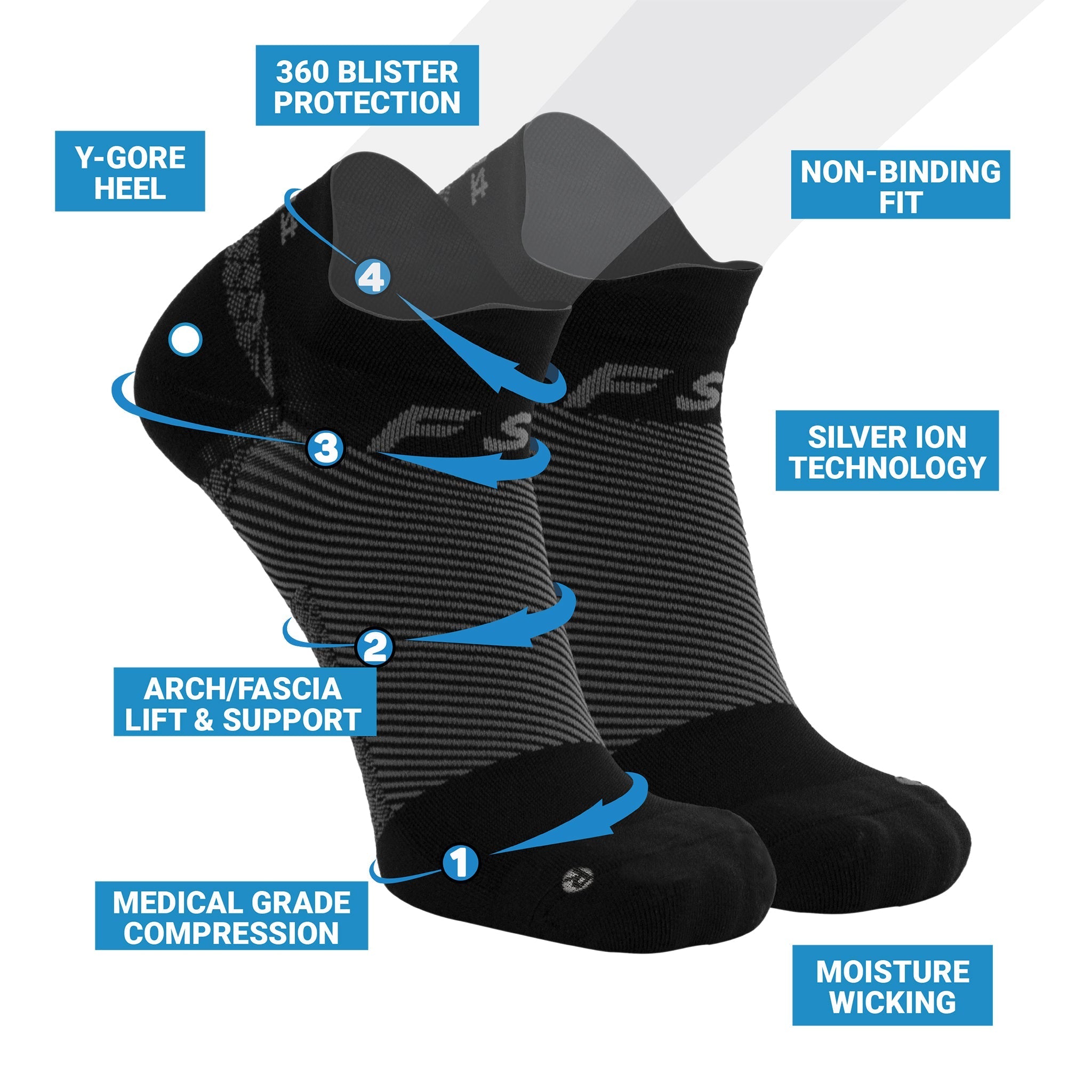
Orthotic arch supports
Orthotics relieve strain by:
-
Supporting the arch
-
Pressure redistribution
-
Correcting alignment
-
Avoid excessive pronation
Both supportive over-the-counter and custom orthotics can relieve symptoms of the most common cause of heel pain.
Anti-inflammatory medications
NSAIDs may temporarily reduce pain and inflammation.
However, they should only be employed if necessary, not as some kind of remedy.
Physiotherapy
A physical therapist may use :
-
Manual therapy
-
Ultrasound therapy
-
Taping
-
Custom strengthening exercises
Address the root mechanical issues with these techniques.
Night Splints
These night splints keep the foot flexed while one is asleep so that the plantar fascia does not tighten up over night. Many times, marked relief from morning pain symptoms may be obtained within weeks for a patient.
Weight Management
Extra weight in the body increases the stress on the heel 5–6 times.
Even a few kgs of weight loss can reduce the symptoms considerably.
Advanced Treatments (If Pain Persists)
Corticosteroid Injections
Useful for severe inflammation, though is not advised to be taken too often.
Extracorporeal Shockwave Therapy
Stimulates the healing of tissues and reduces chronic pains.
PRP Therapy
Uses platelet-rich plasma to accelerate recovery.
Immobilization boots
Analgesia for severe or persistent pain, especially stress fractures
Is Surgery Ever Needed?
Surgical methods are generally the last resort and affect only about 5% of the patients.
Common Procedures:
-
Plantar Fascia Release
-
Heel Spur Removal
-
Tarsal Tunnel Decompression
Most patients improve without needing surgery with conservative treatments alone.
Prevention: How to Keep Heel Pain Away for Good
- Wear Properly Supporting: Shoes Avoid thin and flat shoes. Search for shoes having arch support and heel cushioning.
- Stretch daily: Especially, before and after activity.
- Maintain Healthy Weight: Less weight means less impact.
- Replace Old Footwear: Worn-out shoes lack support and increase strain.
- Employ Orthotics, as Required: Prevent recurrences of plantar fasciitis.
- Fortify Foot Muscles: The regular exercise of the feet promotes stability.
When to consult a doctor
Seek medical care if:
-
Pain persists for over two weeks
-
You are unable to bear weight
-
There is swelling, redness or numbness
-
Home remedies do not help
-
The pain interferes with daily activities
Early diagnosis prevents long-term complications.
Conclusion
Heel pain is very common, although it is not something with which you necessarily have to learn to live. Once you know the Common Cause of Heel Pain-plantar fasciitis-and the contributory factors such as poor footwear, foot structure, and tight muscles-you can take active, effective steps to manage and prevent it. For most people, with just the right combination of support, stretching, proper shoes, and modification of activity, significant pain relief can be realized within weeks. If your pain persists, professional treatment options are available to help restore comfort and mobility. Your feet carry your whole body; protect them today to ensure a healthier, pain-free future.
FAQ’s
What is the most common cause of heel pain?
A plantar fascia ligament inflammation or irritation, resultant of overstrain, is the most common source of heel pain known as plantar fasciitis. This most often results from long periods of standing, shoes offering little support, sudden increases in activity, or foot shape problems such as flat feet or high arches. The microtears due to repeated tension over time result in constant discomfort of the heel.
How do I know if my heel pain is from plantar fasciitis?
Plantar fasciitis typically presents with sharp, stabbing pain at the bottom of the heel, particularly when taking the first steps in the morning or after a period of sitting. The pain may ease as you walk but tends to return after resting. You may also feel tightness in the arch or tenderness when you press near the heel bone. These characteristic patterns help distinguish it from other foot disorders.
Can heel pain go away by itself?
Mild heel pain may improve with simple measures such as rest, ice, stretching, and making changes to supportive shoes. If the precipitating cause, like poor foot mechanics or inflammation, does not get resolved, the pain may recur or worsen over a period of time. Many find it necessary to institute long-term preventive measures to effect enduring alleviation.
When should I go to the doctor because of heel pain?
Medical evaluation for heel pain is necessary if pain lasts for more than two weeks, gradually worsens, or makes walking normally difficult. Seek immediate attention if you notice any swelling, numbness, sharp pain immediately after an injury, or inability to bear weight on your foot. Early evaluation helps avoid chronic problems and ensures that treatment proceeds appropriately.
What are the treatments that alleviate heel pain quickly?
Fast relief often comes from a combination of stretching exercises, ice applied to the area, anti-inflammatory medications, and supportive footwear changes along with orthotic inserts. Persistent cases often require either physical therapy, night splints, or shockwave therapy for better reduction of inflammation and stimulation of tissue repair.