Foot Exercises for Plantar Fasciitis: A Simple Guide to Heel Pain Relief
Plantar fasciitis is one of the most prevalent causes of chronic heel pain in the world, affecting many persons. Whether your job requires you to be on your feet much, your sport involves high-impact movement, or you simply have tight foot muscles, plantar fasciitis will make every step painful. Fortunately, one of the best and most accessible treatments for this condition happens to be exercises that target plantar fasciitis-small, simple movements that strengthen your feet, stretch the tissues that are too taut, and hasten recovery.
This guide discusses what plantar fasciitis is, why exercises in the course of treatment are important, and how incorporating the right exercises for plantar fasciitis can help alleviate discomfort and prevent recurrences.
Overview of Plantar Fasciitis
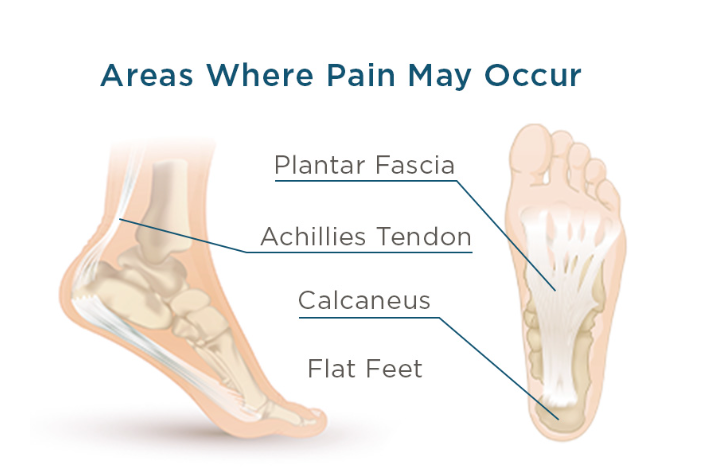
Plantar fascia is a thick band of connective tissue running from your heel to your toes, supporting the arch of your foot. This inflammation or irritation of the tissue leads to plantar fasciitis. Symptoms commonly experienced include sharp heel pain, especially with the first few steps in the morning or after resting for long periods.
Common causes include:
-
Overuse from running or high-impact activities
-
Flat feet or high arches
-
Tight calf muscles or Achilles tendon
-
Poor shoes with insufficient arch support
-
Prolonged standing on hard surfaces
-
Excess body weight applying further stress on the foot
Because it is often left untreated, it leads to chronic pain, loss of mobility, or alteration in gait which will eventually affect the knees, hips, and lower back.
Why Exercises for Plantar Fasciitis Work
Most people try to treat heel pain simply by resting, but it won't cure the cause. In most cases, the root problem is related to tightness or weakness in the muscles and ligaments that support your foot and ankle.
This is where exercises for plantar fasciitis come in.
Foot-strengthening and stretching habits help
-
Loosen the tight plantar fascia
-
Improve flexibility in the calf and Achilles tendon
-
Strengthen the muscles that support your foot arch
-
Reduce tension on the heel
-
Promote better foot alignment
-
Improve overall stability and mobility
These exercises, if done regularly, continue relieving pain and flare-ups.
Best Foot Exercises for Plantar Fasciitis
These exercises are among the most effective and recommended for plantar fasciitis that anyone can do, irrespective of age and physical fitness. Preferably, these exercises should be repeated daily, especially every morning and before any form of physical activity.
Towel Stretch
This is a simple but very effective stretch to help loosen the plantar fascia and Achilles tendon.
How to do it:
-
Sit on the floor and extend your legs.
-
Wrap a towel around the ball of your foot.
-
Gently pull the towel toward you, extending your knee.
-
Hold for 20–30 seconds and release.
-
Repeat 3 times on each foot.
Advantages:
Improves flexibility, reduces morning stiffness, and prepares your foot for movement.
Calf Stretch Against the Wall
This is an important stretch because tight calf muscles are among the leading causes of plantar fasciitis.
How to do it:
-
Stand with your body to a wall.
-
Place one foot behind the other.
-
Keep your back knee straight while your front one is bent.
-
Lean forward until you feel a stretch in the calf of the back leg.
-
Hold for 30 seconds, then switch legs.
-
Repeat 2–3 times.
Benefits:
Reduces heel tension, hence gives more flexibility to the ankle.
Plantar Fascia Stretch (Heel Cross-Over Stretch)
A stretch to specifically target the plantar fascia.
How to do it:
-
Sit comfortably, crossing your affected foot over your opposite knee.
-
Reach down and grasp your toes
-
Gently pulling them back toward your shin.
-
Massage the arch with your other hand. Hold for 20–30 seconds.
-
Repeat 2–3 times.
Benefits:
Directly loosens plantar fascia tissue, hence reducing sharp heel pain.
Towel Toe Curls
This strengthens the small muscles in your feet that support the arch.
How to do it:
-
Put a towel on the floor.
-
Sit down in a chair and put your foot on the towel.
-
Scrunch, using your toes
-
Pull the towel toward you
-
Repeat for 10-15 curls. Do 2–3 sets.
Benefits:
Improves foot strength and arch stability.
Marble Pickup Exercise
This focuses on improving the intrinsic muscles of the toes and arch.
How to do it:
-
Place 10–20 marbles on the floor.
-
Using your toes, pick up the marbles one at a time and place them in a bowl.
-
Repeat with both feet.
Benefits:
Improves coordination, foot strength, and muscle activation.
Rolling Stretch with a Ball or Frozen Bottle
This massage-like exercise reduces inflammation and feels great after long periods of standing.
How to do it:
-
Take a tennis ball, lacrosse ball, or frozen bottle of water.
-
Gently roll your foot over it
-
Starting from the heel toward the toes
-
Spend 2-3 minutes per foot.
Benefits:
It breaks up adhesions in tight tissue, improves circulation, and reduces swelling.
Toe Extension Exercise
Great for improving the flexibility in the foot.
How to perform the exercise:
-
Sit in a chair and rest your affected foot on your opposite thigh.
-
Gently pull your big toe upward using your hand.
-
Extend it and hold for 15 seconds.
-
Do it 10 times.
Benefits:
Relaxes tension in the plantar fascia, thereby relieving morning pain.
Achilles Tendon Stretch
Because the Achilles tendon is directly connected with the plantar fascia, stretching it can bring quick relief.
How to do it:
-
Stand on a step so that heels hang off the edge.
-
Lower your heels toward the floor, going slowly, until you reach a point where you feel a stretch.
-
Hold for 20–30 seconds.
-
Repeat 2–3 times.
Benefits:
Improves ankle mobility and reduces the risk of tears.
Ankle circles
Inexpensive; works well for increasing blood flow.
How to do it:
-
Sit in a chair and lift one foot off of the floor slightly.
-
Rotate your foot clockwise 10 times.
-
Rotate counterclockwise 10 times.
-
Repeat 2-3 sets.
Benefits:
Improves mobility, reduces stiffness, and warms up the foot.
Short-Foot Exercise
The best strengthening exercises to build up arch support.
How to do it:
-
Sit or stand barefoot.
-
Shorten your foot: Draw the ball of your foot toward your heel without curling your toes.
-
Hold for 5–10 seconds.
-
Repeat 10–15 times.
Benefits:
It strengthens the intrinsic foot muscles to provide better arch control.
Daily Routine: Combine These Exercises to Maximum Effect
Follow this simple daily routine to maximize the exercises' benefits, which target plantar fasciitis.
Morning Routine (5–7 minutes)
-
Plantar fascia stretch
-
Calf stretch
-
Massage using a rolling ball
Afternoon Routine (5 minutes)
-
Towel stretch
-
Toe curls or marble pickup
Evening Routine (5–8 minutes)
-
Achilles tendon stretch
-
Short-foot exercise
-
Ankle circles
The key is to be consistent. In about 2-3 weeks, you should start feeling some relief, and in about 6-8 weeks, you will have some notable improvement.
Additional Tips to Relieve Heel Pain Faster
Supportive strategies apart from exercises include the following:
Wear Proper Supportive Footwear
Choose shoes that include the following features:
-
Good arch support
-
Cushion heels
-
Rigid midsoles
-
Shock-absorbing insoles
Avoid flat, unsupportive shoes; for example, flip-flops or worn-out sneakers.
Use Orthotic Insoles
Orthotics realign your foot, reduce stress, and support the arch; these are particularly helpful in plantar fasciitis.
Apply ice
Then, ice is placed on the heel and left there for 15–20 minutes for inflammation.
Maintain a Healthy Weight
This relieves the tension on the plantar fascia in everyday movements.
Rest when needed
Avoid repetitive high-impact activity when the heel is flared up.
When to see a doctor
If you have persistent heel pain after 8–12 weeks of regular stretching and strengthening exercises, see your healthcare provider. For more severe cases:
-
Physical therapy
-
Night splints
-
Corticosteroid injections
-
Electrotherapy Orthotics
-
Customized
Early intervention prevents the condition from becoming chronic.
Conclusion
Plantar fasciitis can be painful and frustrating, yet it is very treatable if done right. Adding daily exercises for plantar fasciitis to your foot workouts will help strengthen your foot muscles, improve flexibility, and thereby reduce heel pain, restoring comfortable movements. These simple exercises are easily done at home, require a minimum of equipment, and it has been proved that they speed up recovery. You will be able to bid goodbye to heel pain with consistency and patience and supportive shoes and enjoy your daily activities confidently once again.
FAQs
What are the best exercises for plantar fasciitis?
The best exercises for plantar fasciitis include calf stretches, plantar fascia stretches, towel curls, marble pickups, and rolling a ball under your foot. These exercises, if performed on a regular basis, gradually help to loosen stiff fascia, improve flexibility, and strengthen all the small muscles which support your arch and thereby gradually reduce heel pain and improve comfort during walking.
How often should I do the exercises for plantar fasciitis?
Plantar fasciitis exercises should be done at least twice a day: once in the morning to reduce stiffness and once at night to relax the muscles after activity. Consistent stretching over a number of weeks allows tissues in the foot to heal properly. Most people see consistent improvement when doing a regular routine for 6-8 weeks.
Can exercises alone cure plantar fasciitis?
Exercises are one of the most effective treatments for plantar fasciitis, but they work best combined with supportive footwear, proper insoles, and rest and icing when needed. Many people find that the combination of stretching and strengthening brings them to complete healing. For more serious or chronic cases, physical therapy or custom orthotics may be added.
How soon will I see results from the plantar fasciitis exercises?
Most people will notice some relief in 2-3 weeks if they are consistent with the stretches and strengthening exercises. This will vary based on the extent of inflammation of the tissue, anywhere from 6-12 weeks. By being consistent daily, you give time for the plantar fascia to heal, it decreases morning heel pain, and comfortable mobility is returned over time.
Can I walk/run while doing the exercises for plantar fasciitis?
Usually, walking is fine, as long as it doesn't increase your heel pain, but running or jumping could make your symptoms worse while you're healing. Reduce high-impact activity until your pain has decreased. You can continue to do your daily plantar fasciitis exercises and gradually get back into the high-impact workout when your foot feels stronger and supported.