Walk Better with Proper Foot Arch Support for Flat Feet
If you have ever experienced pain in your feet, either while standing or after walking, you are not alone. One very common cause of discomfort of the feet involves flat feet-a condition wherein the arches of the feet collapse or never form correctly. This may result in the foot tiring easily, aching ankles, strained knees, or even back problems because there is no arch structure to support the foot.
The good news is: arch support makes all the difference in flat feet. Proper support distributes weight evenly, aligns your posture, and reduces the stress on your joints. The right kind of arch support-either through insoles, shoes, or orthotics-empowers you to move every day with better comfort and confidence.
In this article, we will look at what causes flat feet, the importance of arch support, and how to select the right solution to help a person walk better and pain-free.
Flat Feet: Understanding What Happens to Your Arches
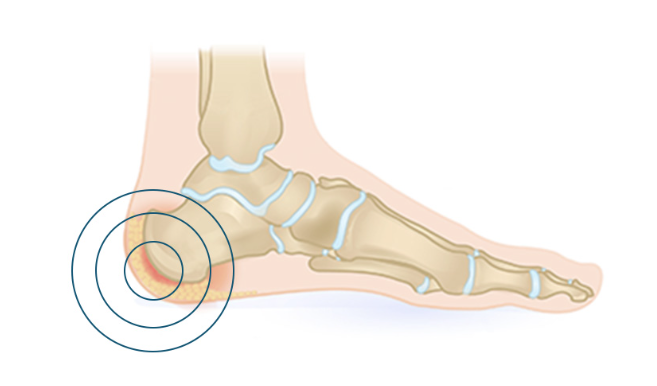
Flat feet are a condition when your arch partly or completely collapses, and the sole of your foot comes near the ground or touches it completely while you are standing. The flat feet could be either rigid or flexible.
The arches give the basis for walking or weight-bearing. They absorb the shock of every step as if by a natural shock absorber. If these arches are not there, or if they collapse, one's feet can't absorb such jolts properly. Since this causes an imbalance, extra stress will fall upon your ankle, knees, and hips; this may cause discomfort and disturb the alignment of your whole body.
Common Causes of Flat Feet
Flat feet can be caused by a combination of factors including, but not limited to, genetics, injury, and lifestyle. Some of the more common causes include:
- Genetics: Some people are just born with naturally low arches.
- Weak Tendons: Poor tendons-the posterior tibial tendon supports the arch and may lead to collapse if it is weakened.
- Injury/Overuse: A trauma to the foot, ankle or tendon can eventually cause fallen arches.
- Obesity: The additional body weight tends to put added pressure on the arches, hence leading to flattening.
- Aging: Generally, with the advancement in age, elasticity is lost in the tendons and ligaments, resulting in reduced arch stability.
- Pregnancy: One of the reasons for loosening of the ligaments is due to the change in the level of hormones. This may lead to a temporary flattening of the foot.
Symptoms of Flat Feet
Not everyone with flat feet experiences pain; however, if they do, they may report:
-
Aching or swelling along the inner side of your foot
-
Heel or arch pain, especially after standing or walking
-
Tight calf muscles or a stiff ankle
-
Irregular wear and tear of shoes
-
Discomfort that is worse after exercise
If any of these symptoms sound familiar, it's time to consider foot arch support for flat feet to restore balance and reduce strain.
Why Foot Arch Support for Flat Feet Matters
Proper arch support is a matter of not only comfort but also the overall health of your foot. Here is why:
Better Foot Alignment
Arch support maintains alignment of the foot; without it, the feet will invariably roll inward-a motion known as overpronation-that can lead to knee and hip pain in the long term.
Better Stability and Balance
Supporting the arches allows even distribution of your body's weight on the feet, while stability and comfort are offered during long walks or standing.
Pain Relief
People with flat feet often suffer from chronic heel, arch, or lower leg pain. The appropriate arch support cushions those areas to relieve painful pressure.
Prevention of Further Problems
These are the possible conditions from flat feet that are not supported by a shoe: plantar fasciitis, bunion formation, shin splints, and even lower back pain. Proper foot arch support for people with flat feet will avoid these secondary problems.
Athletic Performance Enhancement
Most athletes with flat feet face difficulty in running or jumping because their feet are unable to absorb the shocks. But once the arch is supported well, it will even enhance balance, endurance, and performance.
There are a number of different foot arch supports designed for flat feet.
There isn't just one best way to help the condition of flat feet; rather, there are several options that work equally well, depending on your needs and your lifestyle:
Orthotic Insoles
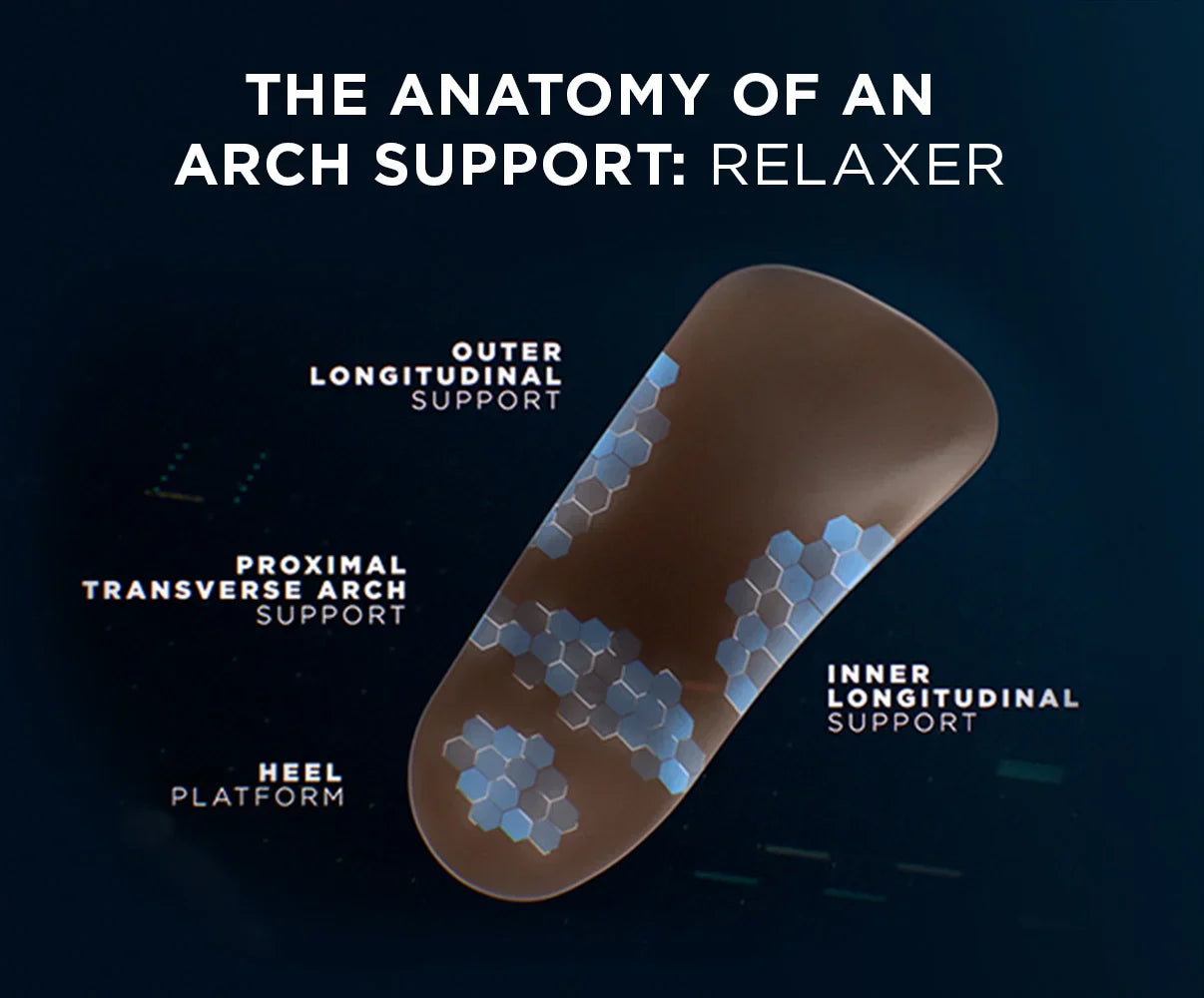
The most common options include custom or over-the-counter orthotic insoles. Insoles are inserts that go inside your shoes to give extra support and cushioning to your arches.
-
Your orthotics are individually designed to address your specific foot and gait for ultimate comfort in the correction of the right problem.
-
Less expensive, prefabricated orthotics serve well for mild to moderate flat feet.
Supportive Footwear
It can make quite a difference to invest in shoes designed for flat feet. Look for
-
Firm midsoles and heel counters
-
Arch support inside
-
Shock-absorbing cushioning
-
Wide toe boxes allow natural positioning of the foot.
Arch Support Sandals or Slippers
If you spend lots of time at home, then arch support sandals or slippers can keep the feet comfortable even off-duty.
Ankle and Foot Braces
Braces for severe cases or injury recoveries act to guard against excessive pronation and maintain the foot in proper alignment.
Custom Orthopedic Shoes
These are professionally designed to address complex or chronic foot problems, ensuring the best support and comfort for the patient.
How to Choose the Best Foot Arch Support for Flat Feet
Your choice of arch support would depend on the nature of your foot and daily activities. Here is a step-by-step guide:.
Identify your arch type
The following simple "wet test" may help: Wet your foot and step on a piece of paper. If the entire footprint shows, you probably have flat feet.
Consider your activity level
Those who are constantly on their feet will have a better option with full-length, firm orthotic insoles. Materials applied for athletes should be lightweight and shock-absorbing.
Cushioning and fit, check
The arch support should not be hard or rigid but comfortable, supportive, and in proper fit without crowding your toes.
Consult a specialist.
A podiatrist can assess your gait, recommend orthotics, or offer advice on proper footwear.
Try Before You Commit
Most brands have some sort of trial period for orthotics and shoes, so don't be afraid to use their return policies to find just the right fit.
Flat Feet: Simple Exercises to Strengthen
Apart from supporting the arch of the foot in cases of flat feet, strengthening the muscles in the foot helps to maintain a better structure of the arch. Following are some of the daily exercises:
Toe Curls
Towel Pickup Place a towel on the floor. Pick up the towel by grasping it with your toes. Pull the towel toward you. This will help strengthen muscles in the arch of your foot.
Heel Raises
Stand up on your toes, lowering your heels. Do this 10 to 15 times, strengthening the calves and arches.
Arch Lifts
Keeping your heel and toes on the floor, lift your arch up as high as possible. Hold for five seconds, then release.
Ball Roll
Spending a few moments of each day rolling a tennis or massage ball under the foot can help improve flexibility and aid in eliminating tension.
Foot Stretch
Sit and cross one leg over the other; then, gently pull your toes back until you feel a stretch across the arch. Hold for 20 seconds.
These exercises, along with appropriate shoes, will strengthen the foot and, eventually, alleviate pain.
Lifestyle Changes for Flat Feet
Keep a healthy weight: Excess body weight puts added stress on your arches.
- Avoid walking barefoot on all hard surfaces: Always wear supportive shoes indoors and outdoors.
- Replace your old shoes: Because old soles tend to increase the symptoms of flat feet.& nabs;
- Use Orthotics Consistently: Continuous support by the orthotics minimizes chances of straining any foot due to lack of support.
- Stretch daily: Regular stretching keeps the muscles of the foot and leg flexible.
When to see a doctor
While mild flat feet might be treated with proper support and exercises, you should consult a podiatrist when you have any of the following:
-
Persistent pain in the foot or heel
-
Swelling or stiffness
-
Difficulty walking or standing for long periods
-
Pain radiating into knees or the lower back
Thus, early interventions will prevent complications and improve your quality of life.
Conclusion
Quite literally, it's a first step to comfort, and when that foundation is flat, pain and discomfort can follow with every step. The right arch support for flat feet relieves discomfort and restores natural alignment, balance, and confidence in your stride. Whether through custom orthotics, supportive shoes, or even the simplest strengthening exercises, an investment in proper foot care will pay off time and again, day after day. Remember, your feet are carrying you through life; give them support, and they will continue carrying you with comfort and ease.
FAQ’s
Is flat feet correct permanently?
For the most part, flat feet cannot be permanently "fixed" but rather managed with proper care. Even in cases where the individual has developed flat feet due to hereditary reasons or childhood, foot arch support for flat feet, strengthening exercises, and supportive footwear are ways one could realign their feet and decrease pain while preventing further damage. These measures, over time, make quite a difference in mobility, posture, and comfort, even if the arch doesn't fully reform.
Are custom orthotics better for flat feet than just any insoles?
Custom orthotics are made from molds or scans of your feet for a perfect fit and very specific correction for your structure. They are ideal in the case of severe flat feet, chronic pain, or biomechanical issues. Over-the-counter insoles, though less personalized, can be great for mild cases and those on a tight budget. But the secret of success, however, lies in consistency: it really doesn't matter what type, just wear your arch support daily for long-term benefits. A podiatrist can help you decide which one will best suit your lifestyle and condition.
Will walking barefoot make my flat feet worse?
Walking barefoot, especially on concrete or tile flooring, can allow flat feet to get worse over time. Without proper support for your arches, your feet must absorb an inordinate amount of shock. This, in turn, can result in extra stress on the tendons and joints. After some time, this may hurt your arches, heels, and knees. Of course, walking barefoot on natural soft surfaces-such as sand or grass-will definitely strengthen some foot muscles when done from time to time. For your day-to-day activities, however, use shoes or sandals with inbuilt foot arch support for flat feet to avoid further flattening of your feet.
How much time does it take before the wearing of an arch support shows its effects?
Most people feel their pains and fatigue go down after some days or weeks of constant wear. However, structural and postural improvements usually take a few months. The key is daily wear-the more consistent you wear arch supports, the quicker your feet will adjust. And pairing them up with stretching/strengthening exercises amplifies their benefit to your arches, which end up better aligned and stronger. Remember: patience and regular use produce lasting results and healthy feet.
What kind of shoes would I recommend for people who have flat feet?
Yes, people suffering from flat feet should look for shoes that offer stability or motion control. The shoes should have a firm midsole and supportive arches with cushioned heels. This will help prevent overpronation since weight will be distributed evenly across the feet. It's good if the running or walking shoes have inflexible heel counters and flexible ones around the forefoot. Brands specializing in orthopedic or podiatrist-approved shoes offer special foot arch support for flat feet. Either way, your fit should always be comfortable, well-balanced, and supportive enough since the first time you wear them.