Say Goodbye to Heel Pain with Plantar Fasciitis Insoles
You're not alone if you have ever woken up with that sharp, stabbing pain in your heel, taking those first few steps out of bed. It is a daily discomfort for millions who experience it, and one of the most common culprits is plantar fasciitis. However, there is a relatively easy, non-invasive way of managing the condition through the use of insoles for plantar fasciitis. Such orthotic supports can make all the difference in pain relief, recovery, and helping one walk in comfort again.
In this article, we will be discussing what exactly plantar fasciitis is and why it affects the heels, together with how insoles for plantar fasciitis provide relief that's long-lasting.
Understanding Plantar Fasciitis
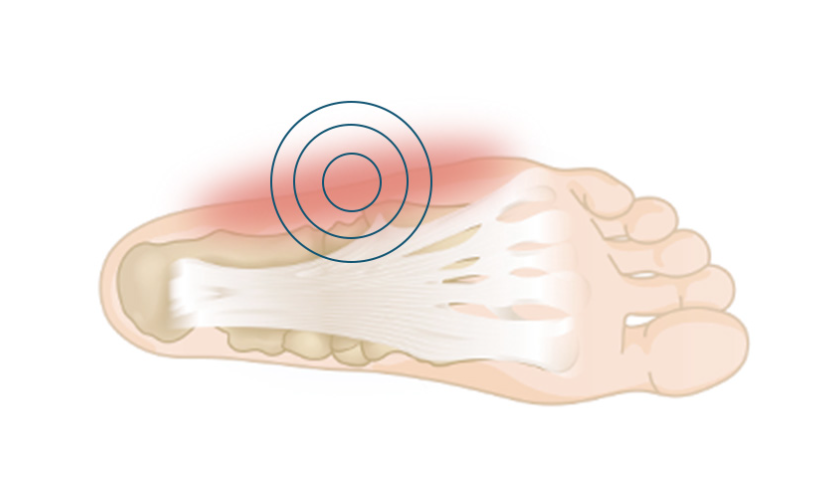
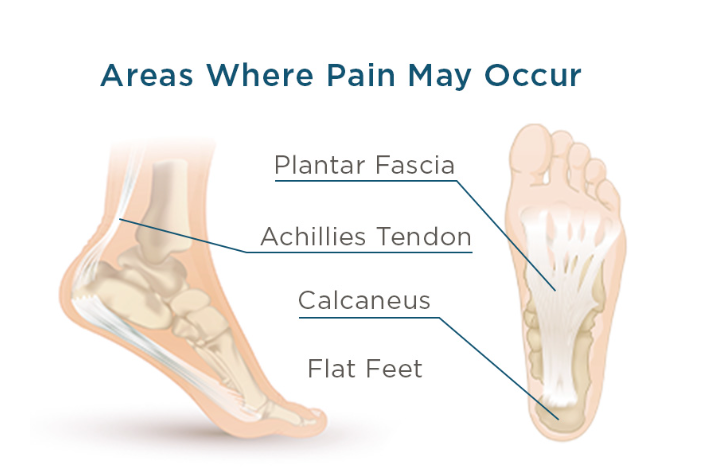
It consists of a thick band of connective tissue on the bottom of your foot, which connects your heel bone to your toes. Its basic functions include arch support and absorption of the shock during walking or running. This may result in overstretching of this tissue and/or strain, allowing microscopic tears to develop. After some time, inflammation develops and sharp pain arises in the heel area, described as plantar fasciitis.
This usually happens in the morning, after rest, or after standing for a long period of time. If not treated, this will turn chronic in due course.
Common Causes of Plantar Fasciitis
It can be due to a number of etiological factors which include the following:
- Flat feet or high arches: These two extremes create abnormal pressures in the plantar fascia.
- Improper Footwear: Poor footwear, meaning either bad arch support or weak cushioning in the shoes, can be a cause of strain too.
- Overuse or repetitive activity: Running, standing for a long period of time, and excessive walking, can cause micro-tearing of the fascia.
- Obesity: Extra body weight increases stress on the feet.
- Tight Calf Muscles: These reduce ankle mobility and also place additional tension on the fascia.
- Age: Plantar fasciitis generally begins between the ages of 40 and 60 years.
Understanding heel pain causes is important so that the right kind of treatment needs to be opted for; this is where insoles for plantar fasciitis come into the picture.
Why Insoles for Plantar Fasciitis Are a Game-Changer
The most effective and easily accessible treatments for plantar fasciitis are supportive insoles of shoes or orthotic insoles. Insoles can be made in a manner so as to provide cushioning, stabilize your arch, and evenly distribute the weight and pressure across your feet.
Here's how they work:
Arch Support
These plantar fasciitis insoles possess structured arch supports that minimize stress in the plantar fascia to avoid overstretching and thus allow it to heal.
Heel cushioning
This in turn helps cut down on pain during either walking or running, as upon heel strike, much of the shock is absorbed by a well-cushioned heel cup.
Pressure Distribution
Properly designed insoles ensure even distribution of body weight and reduced pressure points, thus enabling better balance.
Improved Foot Alignment
The orthotic insoles correct for overpronation-inward rolling of the foot-or supination, that is, rolling your foot outward; any one of these may inflame the plantar fasciitis.
Pain Alleviation and Comfort
Insoles reduce inflammation, keeping your feet in a natural position; hence, they provide instant comfort for going about your day without pain.
Types of insoles for plantar fasciitis
Not all insoles are created equal. Depending on your foot structure and what your needs are, there are a number of different insoles available:
Custom Orthotics
The custom insoles are made only for your feet. They are based on an analysis by a podiatrist about gait, arch height, and points of pressure. They are more expensive: custom orthotics offer specific support and can provide long-term relief.
Prefabricated Insoles
Over-the-counter insoles or purchased online are so much cheaper than the cost of orthotics but very helpful if one can find a pair with excellent arch support and cushioning.
Gel Insoles
Insoles of this type are designed for shock absorption and cushioning; therefore, they can be very helpful for those people who have to stand or walk a lot.
Foam Insoles
These insoles are lightweight, serving comfort while offering mild support. They are great to wear on a day-to-day basis and for mild cases of plantar fasciitis.
Rigid orthotic insoles
These insoles are made of hard plastic or carbon fiber, used for structural correction and better alignment, and are useful especially in cases of severe overpronation.
How to Choose the Best Insoles for Plantar Fasciitis
The right insole can make all the difference in your journey of recovery.
Here's what to look for:
- Firm Arch Support: Look for insoles that provide solid but comfortable arch support to prevent overstretching of the fascia.
- Deep Heel Cup: A deep heel cup stabilizes the heel and absorbs shock, keeping the foot in a neutral position.
- Material Quality: Choose materials that balance durability and comfort, such as medical-grade foam, EVA, or gel.
- Fit and Size: Insoles should fit inside your shoes comfortably with no crowding of your toes or sliding around. Many can be trimmed to fit.
- Activity Type: Some of these insoles are for athletic shoes, while others may be more suitable for dress shoes or work boots. Select them according to your daily lifestyle routine.
- Breathability: These insoles feature designs that are either moisture-wicking or ventilated to keep your feet cool and odor-free.
Insoles: How They Help in Recovery
Wearing insoles for plantar fasciitis is not really pain relief but a method of healing. These insoles align your foot and reduce tension on the fascia, hence allowing natural recovery to take place. In due time, you will notice:
-
Reduced morning heel pain
-
Improved posture while walking
-
Not as tired even after standing/walking for a long time.
-
Improved balance and stability
Also, insoles, along with appropriate footwear and exercises, particularly stretching, will be of considerable help in controlling your symptoms and also in the avoidance of recurrence.
Additional advice to deal with plantar fasciitis:
While insoles are some of the best options, incorporating other methods may quicken your recovery:
- Do stretching exercises frequently: Additionally, daily stretching of the calf and the plantar fascia will reduce tension and increase flexibility.
- Wear supportive shoes: Flip-flops or any type of flat, unsupportive shoes are to be avoided. At all times, supportive shoes must be worn. Supportive shoes are those which have firm arch support and cushioning.
- Apply Ice: Icing your heel 15–20 minutes after activity can help to reduce inflammation.
- Keep good body weight: Losing excess body weight minimizes stress on the feet.
- Rest and avoid overuse: Give your feet time to heal, especially for those jobs involving standing or walking for a long period.
- Night Splints: A night splint worn while you sleep can keep your plantar fascia in a lengthened state, which can reduce morning stiffness.
When to Seek Immediate Care
If several weeks of insoles, rest, and self-care have passed and you still have heel pain, it's best to see a podiatrist. Advanced treatment for chronic plantar fasciitis may involve physical therapy, corticosteroid injections, or even shockwave therapy. A professional can assess your condition and advise on the best course of action accordingly.
Long-Term Benefits of Using Insoles for Plantar Fasciitis
Proper insoles for plantar fasciitis can definitely make a big difference, not only in comfort but also with regard to general foot health. Following are some of the long-term benefits derived from the use of insoles for plantar fasciitis:
- Future Injury Prevention: Proper alignment reduces the risk of ankle, knee, and back pain.
- Improved Athletic Performance: Good footing during exercises reduces fatigue since it promotes stability.
- Improved posture: Since you are taking good care of the body's foundation-that is, your feet-all in all, the posture significantly improves.
- Durable Pain Relief: Continuous therapy keeps the symptoms away and avoids recurrence of pain in the heel.
Conclusion
Plantar fasciitis heel pain can be frustrating and debilitating, but a pair of the right insoles can make all the difference in the world. They give your feet the much-needed support, comfort, and alignment they need to function and heal naturally. Whether you are an athlete or a professional on your feet all day, or simply seeking lasting relief, investing in high-quality insoles can be one of the smartest steps you will ever take. Your feet are the base of the body, so it is all about taking extra good care of them, giving them the needed support, and saying goodbye to heel pains once and for all.
FAQ’s
What are insoles for plantar fasciitis, and how do they work?
Plantar fasciitis insoles are special inserts inside a shoe where the heel is cushioned and supported at the arch to reduce tension on the plantar fascia. They distribute body weight equally across the foot, improving posture while reducing stress on sensitive tissues. Consistent use reduces inflammation with time and relieves chronic pain in the heel.
Can insoles completely cure plantar fasciitis?
Insoles alone may not be able to completely cure the condition, but they do have a very significant purpose in effective management of plantar fasciitis. They support the arch and relieve the pressure off the fascia, therefore enabling your foot to recover on its own. Along with rest and proper stretching, the use of insoles, combined with well-fitting shoes, can go a long way in hastening the healing process and helping symptoms from returning.
How to Choose the Right Insoles for Plantar Fasciitis
The things you should be looking out for when picking out insoles are firmness of the arch support, a deep heel cup, and high-quality cushioning materials such as EVA foam or gel. It has to be snug, yet comfortable, without crowding your shoes. If you have severe pain or certain conditions that affect your feet, then custom orthotics by a podiatrist may be the better option for the long term.
Can I wear plantar fasciitis insoles in any type of shoe?
Most insoles are versatile-meaning they could fit into everything from athletic shoes to work boots to casual footwear-but some styles may need to be trimmed or otherwise adjusted for perfect fitting. For formal or narrow shoes, low-profile or half-length insoles are recommended, as these will not affect your fitting. You should have ample room for comfort and stability while walking and/or standing.
How long do insoles for plantar fasciitis last?
Their durability will depend on materials used in manufacturing and how often they are worn. High-quality insoles would last from 6 to 12 months if worn daily. And you know it's time to get a new one when it starts going flat, if you lose your arch support, or it's not cushioning well anymore. Keeping your insoles clean and dry also extends their life.