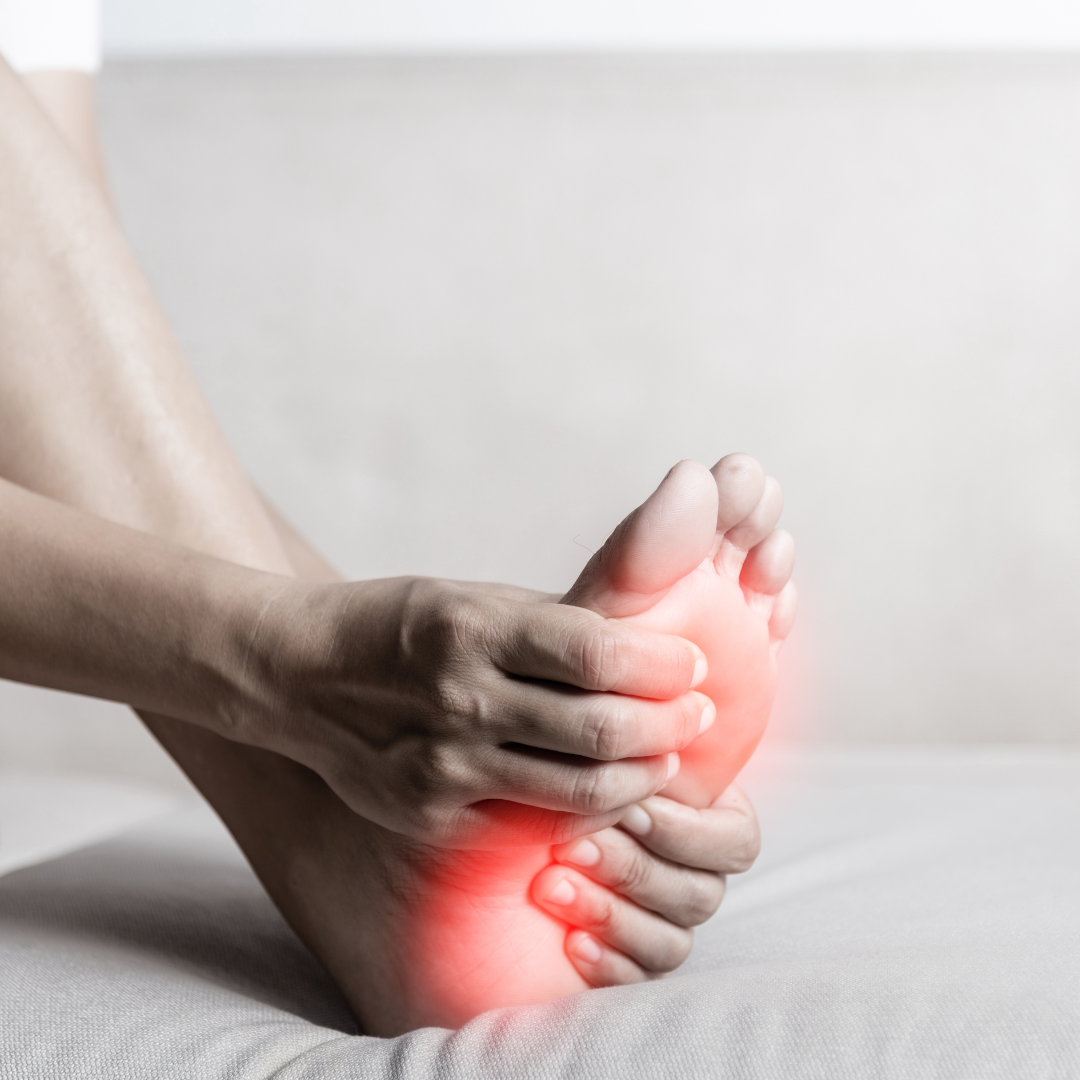
10 Common Causes of Foot Pain and How to Treat Them
The feet are among the most hardworking parts of our bodies; they carry us day in and day out. Ranging from walking to running, it is no surprise that millions of people complain about foot pain, especially with regard to having to stand for hours. Though this may be brought about by simple issues like fatigue and inappropriate footwear, it can also be a symptom of serious conditions that call for attention.
We outline below the top 10 most common causes of foot pain, together with the best treatments to get you confidently mobile again.
Plantar Fasciitis
What It Is
The most common cause of heel and arch pain is plantar fasciitis. Plantar fasciitis is a disorder brought about by overuse or high levels of stress which results in inflammation or irritation of the plantar fascia. The plantar fascia is a thick band of tissue that joins the heel to the toes.
Symptoms
-
Sharp pain near the heel, especially with the first steps in the morning
-
Stiffness after standing or sitting for long periods
-
Tenderness along the arch of the foot
Treatment Options
- Stretching exercises: They include regular stretching of the calf and plantar fascia to relieve tightness.
- Proper footwear: This would include shoes that have good arch support and cushioning.
- Orthotic inserts: Orthotics include custom and off-the-shelf insoles that relieve stress on the plantar fascia.
- Rest and icing: Apply ice to the area in 15 – 20 minute intervals several times a day. This will help reduce inflammation.
- Physical Therapy: Flexibility can be regained with focused exercise with the therapist.
Flat Feet (Fallen Arches)
What It Is
In flat feet, the arch collapses in such a way that all or most of the foot touches the ground. Such overpronation, abnormal weight distribution, and muscular fatigue culminate into foot pain and even knee or back aches.
Symptoms
-
Pain in the arch, heel or ankle
-
Swelling along the inside of the ankle
-
Pain or fatigue after standing for a long period of time or after walking
Treatment Options
- Supportive footwear: These shoes should be supportive, having rigid arch support, with motion control.
- Orthotics: Orthotics for flat feet are insoles that realign the foot and offer stability to it
- Stretching and strengthening: Calf and arch exercises are prescribed; these improve muscular function.
-
Weight management: This will help reduce the arch pressure brought about by excess body weight.
Bunions
What It Is
A bunion is a bony bump that forms on the joint at the base of your big toe. In most cases, it develops gradually as your big toe leans toward your second toe, causing the joint to become misaligned and painful.
Symptoms
-
Swelling and redness about the big toe joint
-
Pain due to tight shoes
-
Limited motion of big toe
Treatment Option
- Wearing wide shoes: Since wide shoes allow for a roomier toe box, the pressure is decreased
- Padding and splints: In addition, padding and splints include bunion pads and toe separators, which relieve friction and discomfort.
- Ice therapy: Application of ice reduces both the inflammation and pain.
- Surgical correction: These are severe bunions which require surgical correction wherein the joint is realigned.
Heel Spurs
What It Is
A heel spur is a bony prominence that forms under the heel bone when there is an accumulation of calcium deposits. It often relates to plantar fasciitis-that is, the long-term straining of foot muscles and ligaments.
Symptoms
-
Sharp heel pain on walking or standing
-
Heel sole pain Pain worse in the morning
Treatment Options
- Rest and ice: Helps alleviate inflammation.
- Cushioned heel pads: These reduce pressure on the heel area.
- Stretching exercises: Improve flexibility and relieve tension on the fascia.
- Anti-inflammatory medications: Reduce swelling and discomfort.
Achilles Tendinitis
What It Is
It is an overuse injury common in runners or any other active person who continues to push his or her legs much harder than usual. The Achilles tendon becomes inflamed as it connects the calf muscle to the heel bone.
Symptoms
-
Pain and stiffness along the back of the heel
-
Swelling or tenderness above the heel
-
Pain that is exacerbated with activity
Treatment Options
- Rest and Ice: This reduces swelling, allowing the tendon time to heal.
- Calf stretches: Strengthen the muscles supporting the tendon.
- Supportive shoes: Wearing proper footwear minimizes the strain on your feet, including the heels.
- Physical therapy: Eccentric strengthening exercises are emphasized.
Metatarsalgia
What It Is
Metatarsalgia involves pain and inflammation in the ball of the foot due to excessive pressure or impact upon the metatarsal bones.
Symptoms
-
Sharp or aching pain in the ball of the foot
-
Burning sensation under the toes
-
Pain that worsens with walking or running
Treatment Options
- Cushioned insoles: Absorb and distribute impact to provide pressure relief on the forefoot.
- Properly fitted shoes: Shoes that are too small or heels that crowd the toes.
- Rest and ice: Reduce pain and swelling.
- Foot exercises: Strengthen the intrinsic muscles of the foot.
Morton's Neuroma
What It Is
Morton's neuroma is the thickening of nerve tissue between the toes, usually between the third and fourth toes. It is most often brought about by tight shoes and/or repetitive stress.
Symptoms
-
A burning or tingling feeling in the ball of your foot
-
A feeling that there is a pebble in your shoe
-
Numbness between your toes
Treatment Options
- Wider shoes: Allow your toes to move about freely.
- Metatarsal pads: Relieve pressure on the nerves.
- Corticosteroid injections: These help reduce inflammation.
- Surgical removal: Severe cases may require removal of the affected nerve.
Gout
What It Is
Gout is a form of arthritis caused by deposition of uric acid crystals in the joints. The most common site is the joint at the base of the big toe; onset of intense foot pain can often be abrupt.
Symptoms
-
Severe pain in the big toe joint
-
Swelling, redness, and warmth
-
Sudden onset of symptoms, often at night
Treatment Options:
- Anti-inflammatory medications: Help control pain and inflammation.
- Dietary changes: Reduce intake of purine-rich foods like red meat and alcohol.
- Hydration: Drinking plenty of water helps flush uric acid.
-
Regular exercise: Supports joint mobility and overall health.
Ingrown Toenails
What It Is
An ingrown toenail occurs when the edge of the nail grows into the surrounding skin, leading to pain, redness, and infection. It commonly affects the big toe.
Symptoms
-
Swelling and tenderness around the nail
-
Redness and possible pus if infection occurs
-
Difficulty wearing closed shoes
Treatment Options
- Soaking the foot: Warm saltwater soaks help soften the nail and reduce swelling.
- Proper nail trimming: Cut nails straight across to prevent inward growth.
- Comfortable footwear: Avoid tight shoes that press on the toes.
- Medical treatment: Infected nails may require professional removal or antibiotics.
Stress Fractures
What It Is
Stress fractures are tiny cracks in the bones of the foot, often caused by repetitive impact from activities like running or jumping.
Symptoms
-
Localized pain that worsens with activity
-
Swelling and tenderness in a specific area
-
Difficulty bearing weight
Treatment Options
- Rest: Avoid weight-bearing activities until healing occurs.
- Protective footwear: Use walking boots or crutches if necessary.
- Gradual return to activity: Reintroduce exercise slowly once pain subsides.
- Calcium and vitamin D: Strengthen bone health.
When to See a Doctor
If your foot pain persists for more than a few days, becomes severe, or affects your ability to walk, consult a podiatrist or orthopedic specialist. Early diagnosis can prevent complications and speed up recovery.
Foot Pain Prevention
After all, prevention is better than cure. Here are a few essential tips that will keep your feet free of pain:
- Choose proper footwear: Prioritize comfort, arch support, and fit.
- Maintain a healthy weight: Reduces strain on your feet.
- Stretch daily: Especially before and after physical activity.
- Take breaks: Avoid standing for long hours without rest.
- Inspect your feet regularly: Spotting changes early helps prevent serious problems.
Conclusion
Pain in the foot can affect our daily life and living to a great extent. Be it plantar fasciitis, flat feet, bunions, or for whatever reason, timely attention and proper footwear may make all the difference. Knowing some of the common causes of foot pain and some effective modes of treatment will let you keep healthy, comfortable feet ready to take you where life takes you.
FAQs
What are the most common causes of foot pain?
Pain in the foot may arise from a number of issues including plantar fasciitis, flat feet, bunions, heel spurs, Achilles tendinitis, and stress fractures. It is also caused by poorly fitted shoes, long periods of standing, or sudden increases in physical activity. This may sometimes be due to an underlying ailment such as arthritis, gout, or even diabetes-related nerve damage. Thus, timely identification of the cause enables the proper mode of treatment to be employed in order to reduce distress and avoid chronic complications.
How can I treat foot pain at home?
Mild to moderate pain in the foot can be treated at home. Rest your feet, apply ice for 15 to 20 minutes several times a day, and stretch your foot gently. Elevating your feet can also ease swelling and pressure. Wearing cushioned supportive footwear and using orthotic insoles provide extra comfort. Over-the-counter pain relievers or anti-inflammatory gels can be used for temporary relief while the foot heals.
When should I see a doctor for foot pain?
You should see a podiatrist or orthopedic physician should your symptoms of foot pain continue to bother you beyond a week, are intense, or if it's problematic to walk. Prolonged swelling, redness, bruising, or numbness may be indicative of fractures, tendon injuries, and infections which call for medical intervention. Changes in the form of the foot, chronic heel pain, and ulcers that don't heal are just a few of the conditions that require skilled diagnosis to avoid long-term impairment and to assure appropriate recovery.
Does poor footwear lead to chronic foot pain?
One of the leading reasons for chronic pain in the foot is wearing a pair of shoes that are ill-fitting. Tight or high-heeled shoes can crowd your toes and cause bunions or hammertoes, and shoes that do not have arch support may cause plantar fasciitis and flat-foot pain. Over time, this stress can also spread to your knees, hips, and lower back. Wearing shoes with supportive soles, adequate arch cushioning, and a large enough toe box will prevent pain and also allow your foot to be properly aligned.
What are the best ways to prevent foot pain?
Take care of your feet day-to-day by wearing appropriate, comfortable shoes that match your activity level. Performing calf, ankle, and arch stretches can keep them flexible and unstressed. Maintaining a healthy body weight will minimize stress on your feet. When you must stand or walk for long periods, take breaks. Regularly inspect your feet for blisters, swelling, and deformity to find any problems early.