How Plantar Fasciitis Insoles Reduce Heel Pain and Improve Walking
Heel pain due to long standing, long-distance walking, extreme physical activities, and use of inappropriate shoes can strike anybody. Plantar fasciitis is one of the commonest causes of heel pain. Often, it makes simple daily movements uncomfortable and painful. On the bright side, however, one of the most effective solutions for relief and long-term improvement often involves the use of insoles for plantar fasciitis. Specially designed insoles will help to give structural support, correct foot mechanics, and reduce strain on the plantar fascia. The article below describes in great detail how plantar fasciitis insoles reduce heel pain, why they improve walking, and how they contribute to long-term foot health.
Understanding Plantar Fasciitis
What is Plantar Fasciitis?
The plantar fascia is a thick band of tissue running along the bottom of the foot; this band connects the heel bone to the toes and forms the natural arch of the foot. With too much stress on the plantar fascia, overstretching, or repeated strains, it may develop small tears. From these small tears, inflammation, stiffness, and sharp pain can set in and be most pronounced with those first steps in the morning or after long periods of sitting.
How Plantar Fasciitis Develops
Generally, the condition arises because the fascia is made to bear stresses that are beyond its natural limit. This is usually due to a predisposition from factors such as flat feet, high arches, a sudden rise in exercise, long periods of standing, poor quality shoes, or additional body weight. Due to lack of support for the foot, the fascia makes up for this by taking additional pressure on itself, leading eventually to injury. Due to repeated stress, the tissue diminishes in strength, becomes less flexible, and yields to extreme pain in the heel.
Common Symptoms of Plantar Fasciitis
The pain experienced in plantar fasciitis is sharp and stabbing, normally in the heel. The pain is usually worse after rest or rising in the morning because the fascia stiffens when it is not in use. When movement resumes, the fascia stretches, and the pain may temporarily fade away but often returns in some time when the person has to continue standing or walking for a long period of time. Many people also complain about stiffness, swelling, tenderness around the heel, and discomfort when climbing stairs or undertaking a long walk.
Why Regular Footwear Is Not Enough
Most shoes lack arch support
Most shoes, even extremely expensive and name-brand ones, are not designed to properly support the natural anatomical shape of the foot. Generally speaking, the more fashionable a pair of shoes is, the less structural support they have, while sport-related shoes may give great cushioning with usually poor arch support. With poor support, one's arches collapse slightly with every step taken; this over-stretches the plantar fascia, which causes strain to gradually worsen over time.
Poor Heel Stability and Incorrect Foot Mechanics
Most footwear does not align the heel correctly; this leads to different problems, including overpronation, where the foot rolls a little too far inward. This can misalign your foot and further apply tension to the plantar fascia with every step. Secondly, most shoes have thin bottoms, not really absorbing the impact very well; shock goes directly into the heel and may further irritate it.
How plantar fasciitis insoles reduce heel pain.
Corrective Arch Support
One of the most significant advantages that plantar fasciitis insoles have is their strong arch support. The insoles are designed to hold the contour of the arch of the foot and prevent its inward collapse. By keeping the arch up, they minimize the stress that is placed upon the plantar fascia. As the arch is raised and stabilized, the fascia is not overstretching; hence, it rests, recovers, and heals. This limits inflammation a great deal and cuts down pain significantly.
Heel Stability Through Deep Heel Cups
Plantar fasciitis insoles should have an integrated deep heel cup. This snugly secures the heel and prevents undue movements, especially the rolling of the heel inward. When the heel is well-stabilized, pressure will be well-distributed across the heel bone instead of it focusing on a small area. This would avoid the collapsing of the heel and reduce tension on the plantar fascia. The heel cup should also help in adjusting the foot, ankle, and leg, improving posture while easing pain with every step.
Enhanced Shock Absorption
Every step taken develops impact forces, which course through the foot and travel up the leg. Where these forces are not properly absorbed, they put direct stress on the plantar fascia. Insoles for plantar fasciitis are made of a material that cushions each step and lessens the shock to the heel. The fascia is much less irritated; it is protected against repeated poundings, especially important for athletes, walkers, and people who work on hard surfaces.
Correction of Overpronation and Supination
Many of those with plantar fasciitis are unknowingly suffering from overpronation or supination. Overpronation is when the foot rolls inward too far during a walk, putting greater pressure on the heel and arch of the foot. Supination is the opposite condition in which the foot rolls outward. Both eventually pull on the plantar fascia. Insoles for plantar fasciitis correct these misalignments by guiding the foot into proper motion. As alignment improves, the plantar fascia is subjected to less tension and therefore causes a dramatic reduction in pain.
Encouraging Natural Healing
These plantar fasciitis insoles rest the fascia and allow it to heal naturally by supporting the arch, stabilizing the heel, and correcting the mechanics of the foot. Continued wear reduces inflammation, heals the tissue, and slowly removes symptoms. It not only relieves pain but also prevents further damage caused by enhancing the structure of the foot and reducing daily friction on the foot.
How Insoles for Plantar Fasciitis Improve Walking
Gait Mechanics Improvements
People with plantar fasciitis usually tend to change their walking style to avoid pain, hence resulting in an improper gait. Compensation may cause problems in the knees, hips, and lower back. Insoles for plantar fasciitis restore the heel-to-toe motion to its original form and allow the foot to function normally. As the gait improves, the walking becomes smooth and more balanced and is less tiring.
Improving Stability and Balance
This instability in the foot makes it difficult to walk and creates ankle strains too. Plantar fasciitis insoles provide a rigid base to the foot; thus, the balance is improved with reduced wobbling. The increased stability provides more confident walking with ease, especially on uneven grounds, by enhancing overall stability and body alignment, and reducing the chances of injury.
Reducing Fatigue and Muscle Strain
Since the feet are not supported, the muscles of the legs and feet work harder in maintaining balance. With time, they get tired and sore. Insoles for plantar fasciitis reduce the workload on such muscles by providing structural support. Hence, walking becomes easier and not as tiring; it is usually comfortable, even during extended hours of movement.
Full-Body Orientation Optimization
The correct alignment of the feet leads to correct posture. When the feet begin to be misaligned, the entire body from the knees down to the hips and spine becomes offset. Insoles will correct the problem by keeping the feet aligned properly, allowing the rest of your body to align correctly, thus making smooth movements that place minimal tension on your joints and muscles.
About Our Business – The Good Feet Store
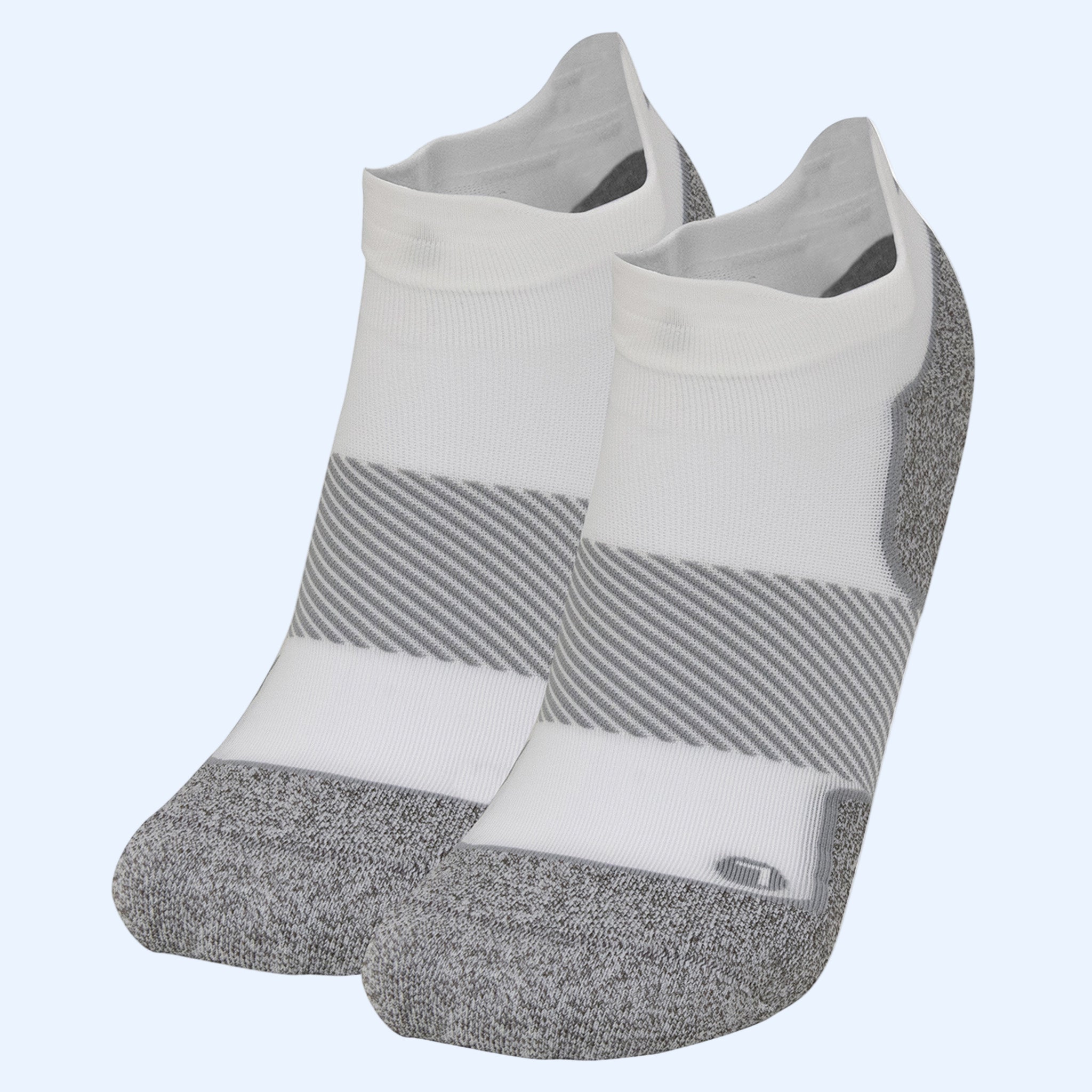
At The Good Feet Store, we offer the best plantar fasciitis insoles, arch supports, and orthopedic socks specifically designed for heel pain relief and comfort while walking. We understand how debilitating it can be to deal with plantar fasciitis, so we design our products to provide firm arch support, deep heel stabilization, and effective shock absorption. With the insoles, proper foot alignment is restored, the tension within the plantar fascia is reduced, and overall mobility is improved. From common everyday heel pain through arch or general foot fatigue, our products are designed to ensure long-lasting relief and support. You can explore our complete range at https://gfsupports.com/.
Choosing the Right Plantar Fasciitis Insoles
Your foot type, daily activity, and type of shoe worn will determine what insoles are best for you. In conditions such as plantar fasciitis, insoles with firmer arch support and a deeper heel cup provide the most relief, since they can treat the contributing causes of heel pain directly. Other important reasons that ensure relief with insoles throughout a busy day include comfort, compatibility with your shoes, and proper fitting.
Conclusion
Contrasted with simply cushioning the feet, plantar fasciitis insoles do so much more: they support the arch, stabilize the heel, correct the foot mechanics, and absorb shock. These insoles greatly improve alignment by reducing tension on the plantar fascia, hence reducing heel pain and enhancing the walk. They improve posture and reduce fatigue, offering a way to prevent further foot problems. For anyone with plantar fasciitis or chronic heel pain, investing in a pair of high-quality plantar fasciitis insoles is one of the best long-term solutions for comfort, mobility, and overall foot health.
FAQ’s
How long does it take for plantar fasciitis insoles to reduce heel pain?
The relief for most people begins within 1–2 weeks of regular use. Mild cases may improve even sooner, but in the case of moderate to severe plantar fasciitis, noticeable healing usually takes 6–8 weeks. Wearing the insoles daily-especially while walking or standing-serves to decrease tension on the plantar fascia and thus speeds up recovery. In other words, consistency is key with long-term improvement.
Can plantar fasciitis insoles be used in any type of shoe?
Most of these insoles would fit in practically any sports, casual, and school shoes, as well as work boots. Full-length insoles tend to work best in those shoes where the factory insoles can be removed. Slim or ¾-length designs suit best in tighter footwear. Trim-to-fit versions allow you to customize the size. The right thickness and shape make for better comfort and support.
Do plantar fasciitis insoles help with flat feet or high arches?
Yes, they are helpful for both conditions. In the case of flat feet, the insoles lift and support the arch to control overpronation, while in cases of high arches, they offer extra cushioning and shock absorption. In both types of feet, the pressure upon the heel is reduced, as is the alignment in general; hence, it prevents the plantar fascia from getting strained again.
Can I wear plantar fasciitis insoles throughout the day?
Absolutely-they can be worn all day long, whether one is walking a lot or has to stand for long hours or works in heavy conditions. A beginner, though, should start with 2-4 hours a day and gradually increase them to let the feet get used to them. These will provide maximum support when worn throughout the day and reduce the chance of heel pain returning.
Are insoles for plantar fasciitis washable and durable?
Most insoles are unable to be washed in a washing machine; the best cleaning for them involves gentle cleaning with mild soap and water. Allow them to air-dry, as this can help prevent damage to the material. Depending on how active you are, good quality insoles will usually last anywhere from 6 to 12 months of everyday use. Materials like EVA foam, PU gel, and memory foam resist wear better and therefore can hold their shape and support longer.