Article: How Plantar Fasciitis Socks Reduce Heel Pain
How Plantar Fasciitis Socks Reduce Heel Pain
Heel pain is one of the most common complaints of the foot, for any age group, but it usually affects those who have to stand for many hours at work, who walk excessively, or have structural flaws in the foot. Of all heel pain conditions, the most common is plantar fasciitis, which is known to cause a sharp pain in the heel when getting up in the morning and chronic discomfort that interferes with one's life. Over the last few years, plantar fasciitis socks have been introduced as an uncomplicated, non-invasive, and very effective solution to handle pain. These specially designed socks provide a mix of compression, support, and alignment that may help improve foot function and encourage healing.
The following step-by-step guide shows how plantar fasciitis socks reduce heel pain, their mode of action, and the benefits derived from them, together with proper ways of using them to ensure maximum pain relief.
Plantar Fasciitis and Heel Pain: About Them
But before explaining how plantar fasciitis socks help, it is very relevant to understand the root problem.
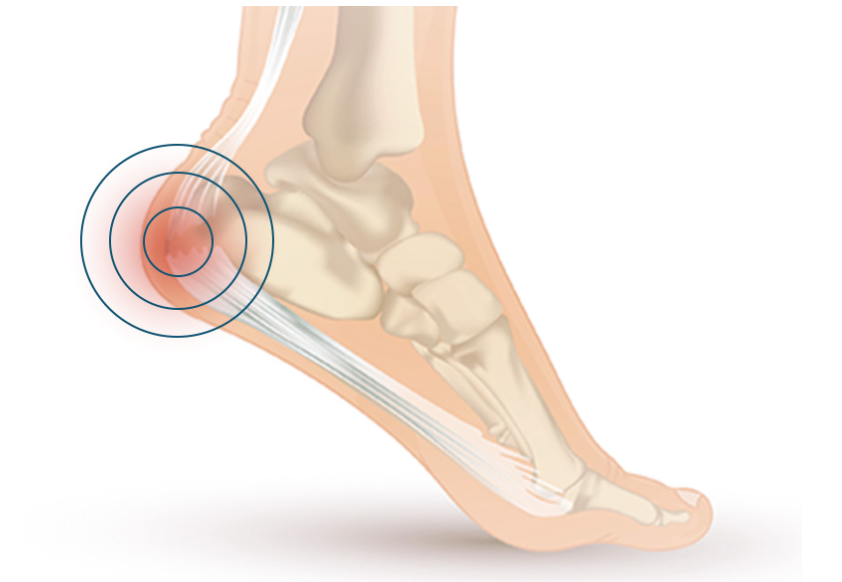
Plantar fasciitis is the inflammation or overstretching of a thick band of tissue called the plantar fascia, which connects your heel bone to your toes. This natural shock absorber supports the arch of your foot. If it gets too much stress, it may become partially torn and cause:
-
Sharp, or stabbing pain near the heel
-
Morning pain on first step
-
Stiffness upon rising
-
Discomfort after long standing or walking
Features such as running, standing all day, unsupportive shoes, or flat/high arches aggravate the condition.
This mechanical overload could be reduced by using plantar fasciitis socks that support the fascia to improve blood circulation.
How Plantar Fasciitis Socks Reduce Heel Pain
Medical-grade compression and targeted zones of support are featured in plantar fasciitis socks. They treat heel pain on three fronts: biomechanical, circulatory, and muscular. Below are the major mechanisms by which they are effective
It provides soft compression to the plantar fascia.
The most significant advantage of plantar fasciitis socks is compression therapy. Socks put equal-distributed pressure on your foot, thus providing protection against extreme fascia motions and reducing micro-tears.
This compression:
-
Stabilizes the plantar fascia
-
Inhibiting inflammation
-
Reduces swelling
-
Stimulates healing
The subliminal pressure, if constant, keeps the fascia stretched and supported, even with everyday movement.
Enhanced Blood Circulation
Heel pain is usually worsened by poor circulation around the foot. Plantar fasciitis socks have zones of compression that gently squeeze the muscles and veins, increasing blood flow and therefore oxygen delivery to the damaged tissues.
Improved circulation helps:
-
Reduce swelling
-
Accelerating tissue repair
-
Prevent stiffness
-
Decrease morning heel pain
Better blood flow also enables the foot to recover faster after a long period of activity.
Arch support for better alignment of the foot.
One of the reasons plantar fasciitis occurs is due to poor alignment of the foot. Flat feet, high arches, and/or weak arch muscles all place additional stress on the fascia.
-
Raise the arch
-
Realignment of the foot structure
-
Decrease pressure on the heel
-
Improve weight distribution
An arched support prevents overpronation-inward rolling of the foot-a major cause of plantar fascia strain.
Reduction of Heel Stress by Stabilization of the Foot
Socks for plantar fasciitis offer a sense of heel and midfoot stability during movements. When the foot is stabilized:
-
Heel impact is lessened
-
Absorption of shock is improved
-
The fascia doesn’t overstretch
This prevents the severe, sharp pain most people feel when walking or standing.
Elimination of Micro-Teasing during Rest and Sleep
In most people, heel pain usually is worse in the mornings. This occurs because of the tightness of the plantar fascia overnight while resting.
-
Maintain gentle stretch to the fascia
-
Avoid tightening
-
Reduce early morning heel pain
Less intense than night splints, plantar fasciitis socks are a generally more comfortable option that is easier to wear while sleeping.
Cushioning Against Heel Strike
Some socks for plantar fasciitis have extra cushioning at the heel, which absorbs shock and pressure that emanates from walking, running, or even standing. Cushioning reduces the following.
-
Heel bone stress
-
Pressure on the fascia
-
Irritation of inflamed tissues
The result is smoother, less painful motion.
Reducing Muscle Fatigue in the Foot and Lower Leg
Plantar fasciitis socks don’t only support the fascia—they also support surrounding muscles, including the calf and Achilles tendon. When these muscles are stabilized and compressed, they experience less fatigue, reducing the load transferred to the plantar fascia.
This contributes to:
-
Better posture
-
Reduced foot strain
-
More efficient movement
-
Less risk of reinjury
By keeping the lower leg muscles relaxed and supported, the socks indirectly protect the heel.
Helping Maintain Proper Foot Posture Throughout the Day
Many people unknowingly stand or walk in postures that worsen plantar fasciitis.
The compression and structure of plantar fasciitis socks encourage the foot to maintain a healthy posture, preventing unnecessary stress on sensitive tissues.
Daily use helps:
-
Reduce inward foot roll
-
Support the natural arch
-
Improve walking mechanics
-
Align the heel properly
Consistent alignment reduces strain on the plantar fascia, promoting long-term pain relief.
Advantages of Wearing Plantar Fasciitis Socks Routinely
Instant Pain Relief and Comfort
Plantar fasciitis socks provide targeted compression that immediately reduces tension on the plantar fascia. This gentle pressure calms irritation, minimizes inflammation, and offers instant comfort. Whether you’re taking your first steps in the morning or standing for long periods, the socks help ease that sharp, stabbing heel pain by supporting the tissue and preventing overstretching.
All Day Comfort for Active Lifestyles
If you’re someone who stays on your feet all day—like athletes, retail employees, healthcare workers, or teachers—plantar fasciitis socks help maintain stability throughout your activities. They reduce muscle fatigue, control foot movement, and provide continuous support, making daily activities more comfortable and less painful.
Lightweight and breathable
Most socks designed for plantar fasciitis use high-quality, moisture-wicking material to keep your feet cool and dry. As such, they are perfect for wearing even for prolonged periods, whether during workouts or in hot conditions outside. The breathable design makes comfort without irritation of the skin or any excessive sweating, which may be crucial for sensitive feet.
Easy to wear with shoes
Unlike traditional braces or bulky orthopedic supports, plantar fasciitis socks slip easily into any type of footwear. You could wear them in running shoes, casual sneakers, work boots, or even under dress shoes. Their slim design assures you that you are getting the therapeutic benefits of compression without sacrificing comfort or style.
Affordable Non-Invasive Procedure
Compared to costly medical treatments, orthotics, or physical therapist sessions, plantar fasciitis socks are rather affordable. They effectively manage pain and offer long-lasting support without requiring a doctor's visit, which is quite useful for anyone seeking natural relief on a tight budget.
Helps avoid recurrence of heel pain.
Wear these plantar fasciitis socks consistently, and your foot will be trained to keep proper alignment and support. This will reduce stress on the plantar fascia and consequently lower the chance of recurrence. These socks are excellent for long-term recovery after an episode of heel pain or in the prevention of it altogether.
Who Should Use Plantar Fasciitis Socks?
These plantar fasciitis socks benefit anyone dealing with:
-
Sharp heel pain
-
Morning heel stiffness
-
Arch pain
-
Overpronation
-
High-impact activities
-
Standing for long hours
-
Tight calf muscles
They are ideal for athletes, runners, teachers, nurses, retail workers, factory workers, and people with foot structural problems.
Plantar Fasciitis Socks: How They Can Be Used Effectively
Wear Them Throughout the Day
For best results, wear plantar fasciitis socks in the course of your usual routine. They help to stabilize the fascia during walking, standing, exercise, or work. Continuous daytime use decreases flare-ups and keeps your foot supported during the activities that normally bring on heel pain.
Wear at Night for Morning Pain Relief
These night socks prevent the fascia from tightening during sleep. This in turn reduces painful "first-step" pain that one experiences after getting out of bed in the morning. Unlike rigid night splints, these night socks are soft and comfortable to wear to bed.
Wear with supportive footwear
These socks tend to be most effective when used in combination with supportive shoes or insoles that feature arch support. The shoes minimize heel impact, while the socks maintain alignment for improved circulation.
Avoid Wearing Worn-Out Socks
Over time, compression in such socks may be weakened. If the socks start to feel loose or no longer offer support, it is time to replace them. The main goals of proper compression are pain relief and alignment.
Wash Gently to Maintain Compression
Wash your plantar fasciitis socks in a cold, delicate cycle or even by hand. Allow them to air-dry, never in a hot dryer, so the fabric does not lose elasticity and thus compromise consistent compression and support.
Do plantar fasciitis socks really work?
Yes, plantar fasciitis socks have been shown to significantly reduce heel pain when worn consistently by providing fascial support, improving blood flow, and reducing stress on the foot tissues. They are most effective when part of an overall package of treatment including:
-
Stretching
-
Supportive shoes
-
Proper arch supports
-
Rest as needed
They are, however, not a cure in themselves but make for one of the most effective supportive methods in dealing with plantar fasciitis.
Conclusion
While painful and frustrating, plantar fasciitis relief is absolutely possible with the right support. Specific, effective compression, improved circulation, and structural support with plantar fasciitis socks may dramatically reduce heel pain and improve comfort throughout each day. They will stabilize the plantar fascia and prevent morning stiffness, thus improving foot alignment and, therefore, constitute one of the best non-invasive solutions for heel pain management.
No matter your profession-whether you are an athlete or professional who has to stand for extended periods, or just an average person seeking everyday relief-implementing plantar fasciitis socks into your daily routine can make all the difference. Consistency is key, and in addition to supportive footwear and healthy foot habits, these socks might just get you walking pain-free once more.
FAQs
Do plantar fasciitis socks really help reduce heel pain?
Socks for plantar fasciitis are really effective in heel pain relief by offering targeted compression together with structural support. Such compression helps reduce inflammation, minimize micro-tears of the fascia, and increases blood flow within the injured tissue of the plantar fascia. Indirectly, over time, it stabilizes the heel, limits overstretching of the fascia, and relieves sharp and chronic heel pain. Comfort and mobility on a day-to-day basis dramatically improve if worn consistently.
Can I wear plantar fasciitis socks at night?
Yes, it is safe and quite helpful to wear plantar fasciitis socks overnight. When one sleeps, the plantar fascia naturally tightens; this is probably why most people feel their worst pain with the first morning steps. Wearing socks at night keeps the fascia gently stretched and supported, hence avoiding any stiffness and reducing heel pain in the morning. Designed with comfort in mind, their soft, breathable construction makes them much more comfortable than rigid night splints, which many users find difficult to sleep in.
How many hours a day should I wear plantar fasciitis socks?
People can wear plantar fasciitis socks for anywhere from 6 to 12 hours a day, depending on activity levels and symptom severity. You will be able to wear them while walking, working out, exercising, or resting. The purpose of doing so is to keep the fascia supported throughout the day to experience minimum strain. If you are suffering from severe heel pain, then wearing them during both daytime and nighttime can accelerate recovery processes with constant relief.
Can I wear plantar fasciitis socks in other shoes?
Actually, plantar fasciitis socks are designed to be comfortable in any athletic shoes, work boots, casual footwear, and even some dress shoes. Slim, lightweight, and breathable, they will never add bulk or cause discomfort. However, they are best put inside the right supportive shoes because they combine compression with proper arch support and cushioning for greater effectiveness.
How long does it take to feel relief when using plantar fasciitis socks?
The times do vary for everybody, but many users reported reduced heel pain within a few hours to a few days of constant wear. For chronic or serious conditions of plantar fasciitis, though, it could be several weeks before the person realizes all of its benefits. Generally speaking, further use in conjunction with supportive shoes, stretching exercises, and avoiding walking barefoot will deliver faster and more long-lasting relief in heel pain.