Effective Plantar Fasciitis Treatments to Relieve Heel Pain Fast
Heel pain can easily stop you in your tracks, as every step bites and feels uncomfortable. Plantar fasciitis is one of the major reasons for persistent heel pain, a very common health condition that affects millions of people around the world. Thankfully, most people are able to quickly banish their symptoms with the best plantar fasciitis treatments and prevent the pain from coming back. Here is a deeper look at the top choices to deliver quick relief, support long-term healing, and ward off future flare-ups.
Understanding Plantar Fasciitis
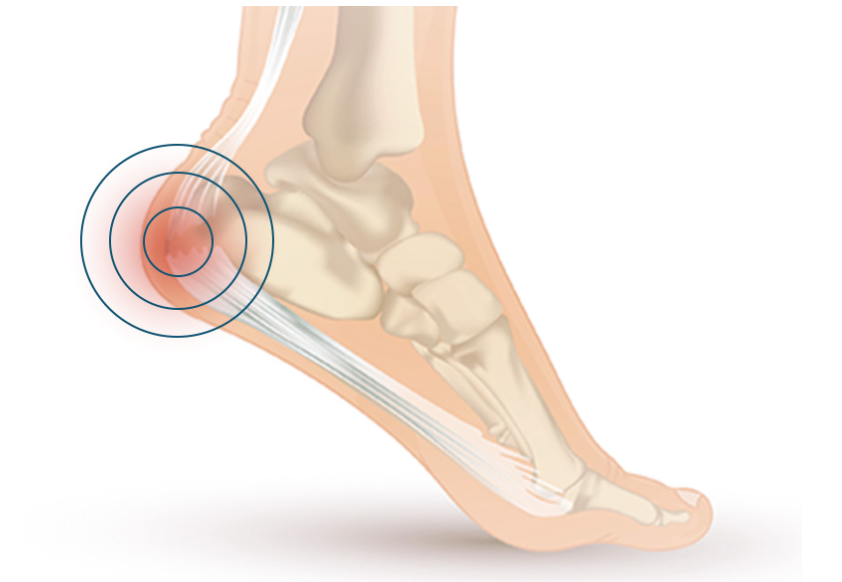
Plantar fasciitis occurs due to inflammation or overstretching of a long, thick band of tissue serving to support the arch in your foot, called the plantar fascia. It is a ligament that connects the heel bone with the toes and absorbs a great amount of shock in walking, running, and standing.
The repeated tension of the fascia causes micro-tears, inflammation, stiffness, and severe pain in the heel, especially with the first steps of the morning or after a period of prolonged rest.
Before turning to the best treatments for plantar fasciitis, let's consider what causes inflammation of the plantar fascia.
Common Causes of Plantar Fasciitis
Overstretching of the Foot Arch
The plantar fascia exists naturally to support your arch, but when the arch is overstretched-poor posture, standing for a long period of time, or bad exercise techniques are examples-the fascia bears too much tension. In fact, these overstretchings naturally cause micro-tears in the tissue after some time, thus causing pain and inflammation.
Wearing unsupportive shoes
Another important factor in foot health involves shoes. Poor arch support, cushioning, and stability increase tension on the plantar fascia. Thin-soled shoes, worn-out sneakers, flip-flops, and high heels can all be contributing factors to heel and arch strain. Over time, this can lead to the development of plantar fasciitis or make existing pain worse.
Activities that involve stress on the heel
High-impact activities include repetitive heel stress during running, jumping, and repeated dancing. Plantar fasciitis is common among athletes because of the usual pounding on the hard surface. The risk is very high without proper warm-up and appropriate footwear.
Overuse of the Feet
Overuse injuries are very common among people who train very hard and who work on their feet every day. Many marathon runners, retail workers, teachers, and health professionals experience heel pain, usually from the constant stress on the feet. Inflammation of the fascia occurs due to a lack of rest given to it.
Foot Structure (Flat Feet or High Arches)
Your natural foot shape can affect weight distribution across your feet.
-
Flat feet cause overpronation, which then in turn causes too much stretching of the fascia.
-
High arches place additional pressure on the heel and forefoot.
Both conditions disturb natural biomechanics and increase the risk of plantar fasciitis.
Weight Gain
Extra body weight exerts more pressure on the feet, particularly the heel region. This can put too much stress on the plantar fascia and hasten inflammation. The conditions included are pregnancy, sudden changes in weight, and long-term obesity.
Age-Related Issues
The foot muscles weaken further with older age, and the plantar fascia loses its elasticity. Decreased flexibility in the calf muscles and Achilles tendon can further worsen heel pain. Because of wear and tear, plantar fasciitis is more common above age 40.
Most Effective Plantar Fasciitis Treatments to Relieve Heel Pain Fast
There is no one-size-fits-all treatment that can work for everybody, but a combination of some of the following successful plantar fasciitis treatments will boost recovery time and reduce pain significantly. A selection of some of the best options is given below:
Orthotics and supportive insoles
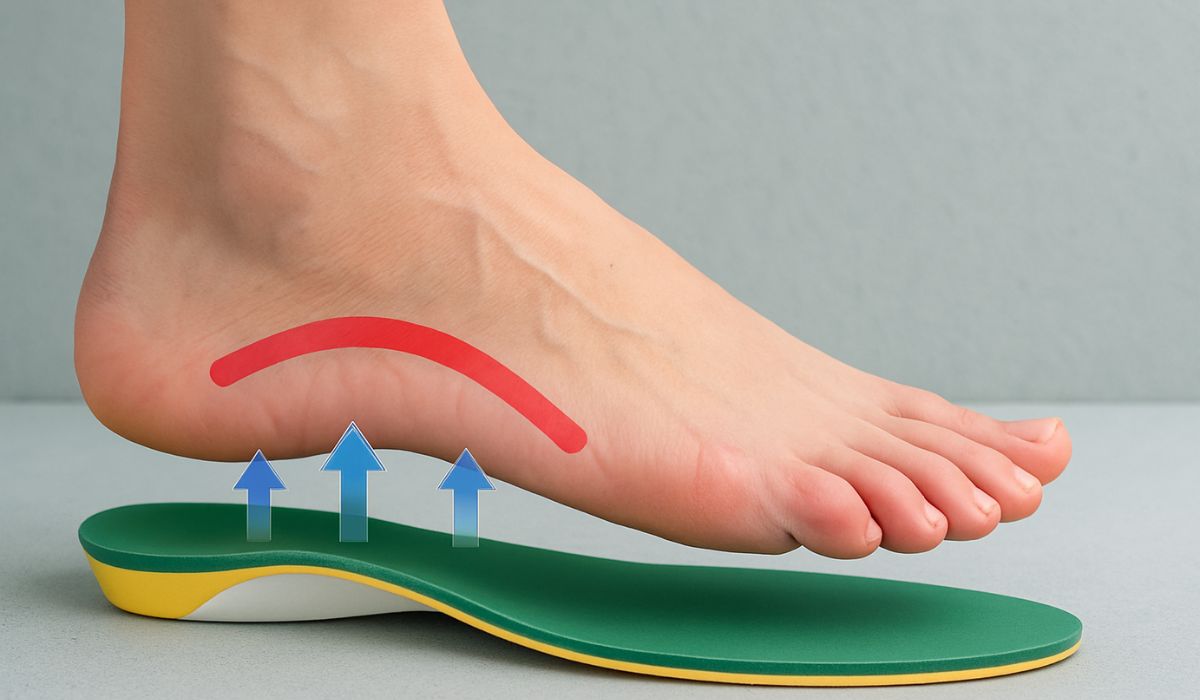
The arch support and correction of abnormal foot mechanics by custom or over-the-counter insoles serve to relieve the stress on the plantar fascia. Insoles are particularly indicated for people with either flat or high arches, or for individuals who have to stand for a long period.
Benefits include:
-
Alignment improvement
-
Better shock absorption
-
Pressure of heel reduction
-
Improvement in comfort
For many patients, orthotics are a game-changing treatment for relief that may last.
Wearing proper footwear
Recovery is also very dependent upon your footwear. Choose shoes that include:
-
Firm arch support
-
Cushion Heels
-
Wide toe box
-
Sturdy midsole
-
Good absorption of shock
Replace the previous pair of shoes or the worn-out ones. In general, the main function of plantar fasciitis shoes is to avoid overstretching and reduce heel impact.
Prevention of Future Heel Pain
While treatment for plantar fasciitis is important, the prevention of its recurrence is just as important.
It can make the long-term health of the foot possible by:
Wear shoes at all times that support your feet.
-
Replace worn-out shoes.
-
Stretch your feet and calves each day.
-
Avoid sudden changes in exercise.
-
Use orthotic insoles as directed.
-
Strengthen lower leg and foot muscles
A consistent routine oriented to suit your lifestyle will keep heel pain away for good.
Conclusion
Plantar fasciitis is a painful yet highly treatable condition, and with the right combination of care, most people can experience fast relief and long-term recovery. Understanding what causes heel pain—whether it’s improper footwear, overuse, flat feet, high arches, or age-related changes—helps you choose the most effective solutions. Supportive footwear and orthotic insoles play a major role in reducing strain on the plantar fascia, while daily stretching and strengthening exercises improve flexibility and foot stability. By adopting these habits consistently and addressing issues early, you can not only relieve current discomfort but also prevent future flare-ups. With the proper approach, you can stay active, comfortable, and free from persistent heel pain.
FAQ’s
How long does it take for plantar fasciitis to heal?
Most people start feeling relief after a few weeks of constant treatment, especially with correct insoles used in addition to regular stretching and modification of activities. Complete healing may take 3–6 months depending on the severity. Advanced therapies, such as shockwave treatment or PRP, may be needed in chronic or long-standing cases. Early diagnosis and proper care certainly speed up the process of recovery.
Can footwear make a difference in plantar fasciitis pain?
Yes, proper footwear plays an important role both in decreasing heel pain and facilitating recovery. Shoes that offer great arch support, cushioning of the heel, and a stable midsole decrease stress on the plantar fascia. Wearing unsupportive footwear-like flat shoes, flip-flops, or worn-out sneakers-aggravates the symptoms. Switching to supportive shoes is one of the most effective long-term solutions.
Are insoles necessary in the management of plantar fasciitis?
The use of insoles is highly recommended, as it corrects the alignment of one's foot, supports the arch, and reduces stress on the plantar fascia. They are even more so helpful in cases of flat feet, high arches, or when one has to stand for many hours. Both customized and high-quality over-the-counter insoles offer considerable relief. Indeed, many patients recover faster when they constantly make use of their insoles.
How long does it take for plantar fasciitis to improve?
The healing timeline varies from person to person, depending on the severity of the condition and how consistently treatment is followed. Many individuals begin noticing relief within two to eight weeks, while complete recovery can take three to six months. In more persistent or long-term cases, healing may take up to a year. Treatment consistency—such as wearing proper footwear, using insoles, stretching regularly, and avoiding high-impact activities—plays a major role in speeding up recovery.
What type of shoes should I wear if I have plantar fasciitis?
Choosing the right footwear is an essential part of treatment. Shoes that offer strong arch support, cushioned heels, and a firm, stable midsole can greatly reduce pressure on the plantar fascia. A wide toe box ensures your toes can move naturally, preventing additional strain. Flat shoes, thin soles, high heels, or footwear with little structure can worsen symptoms. Replacing worn-out shoes regularly is just as important as selecting supportive ones.