10 Common Causes of Foot Pain and How to Treat Them
Introduction
Your feet are the foundation of your body. They carry you through daily activities, absorb shock with every step, and help maintain balance and posture. Yet, many people take them for granted until discomfort strikes. Foot pain is one of the most common complaints across all age groups, and it can range from a dull ache to severe, debilitating pain.
The causes of foot pain are diverse—ranging from overuse and injuries to medical conditions and improper footwear. The good news is that most causes are manageable with the right approach, and early care can prevent long-term damage.
In this blog, we’ll explore the 10 most common causes of foot pain and share practical treatment options to help you find relief.
1. Plantar Fasciitis
Cause: Plantar fasciitis occurs when the thick band of tissue (the plantar fascia) that connects your heel to your toes becomes inflamed. It often leads to sharp, stabbing heel pain, especially in the morning or after long periods of rest.
Treatment:
-
Wear supportive shoes with good arch support.
-
Use orthotic insoles to reduce pressure on the plantar fascia.
-
Stretch the calves and Achilles tendon regularly.
-
Apply ice to reduce inflammation.
-
In severe cases, night splints or physical therapy may be recommended.
2. Bunions
Cause: A bunion is a bony bump that forms at the base of the big toe, causing the toe to lean inward. This misalignment leads to swelling, pain, and sometimes redness around the joint. Genetics, tight shoes, and arthritis can contribute.
Treatment:
-
Wear wide-toed shoes to reduce pressure.
-
Use bunion pads or orthotic inserts.
-
Apply ice packs to relieve swelling.
-
For advanced cases, surgical correction may be required.
3. Flat Feet (Fallen Arches)
Cause: Flat feet occur when the arches of the feet collapse, causing the entire sole to touch the ground. This condition can lead to foot pain, ankle strain, and even knee or hip problems due to misalignment.
Treatment:
-
Orthotic arch supports to restore alignment.
-
Supportive footwear designed for flat feet.
-
Stretching and strengthening exercises for the feet and calves.
-
Weight management to reduce strain on the arches.
4. Heel Spurs
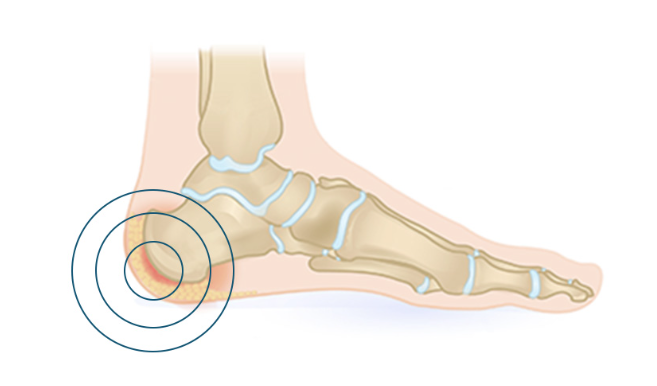
Cause: Heel spurs are calcium deposits that form on the underside of the heel bone. They often develop alongside plantar fasciitis and can cause sharp pain with each step.
Treatment:
-
Wear cushioned insoles to reduce heel pressure.
-
Stretch the plantar fascia and calf muscles.
-
Apply cold packs after activity.
-
Anti-inflammatory medication may be used in persistent cases.
5. Morton’s Neuroma
Cause: Morton’s neuroma is a thickening of tissue around a nerve between the toes (commonly the third and fourth). It causes burning pain, tingling, or the feeling of “a pebble in your shoe.”
Treatment:
-
Switch to shoes with a wide toe box and low heels.
-
Use metatarsal pads or orthotics to redistribute pressure.
-
Corticosteroid injections may reduce inflammation.
-
In severe cases, surgical removal of the nerve may be necessary.
6. Arthritis
Cause: Both osteoarthritis and rheumatoid arthritis can affect the feet, particularly the toe joints. Symptoms include pain, stiffness, and swelling that worsen with activity.
Treatment:
-
Wear shoes with good cushioning and arch support.
-
Use orthotics to reduce pressure on joints.
-
Apply heat for stiffness or ice for swelling.
-
Engage in low-impact exercises like swimming or cycling.
-
Medical management with anti-inflammatory drugs or disease-modifying treatments for rheumatoid arthritis.
7. Gout
Cause: Gout is a form of arthritis caused by uric acid buildup, leading to sudden, intense pain, redness, and swelling, often in the big toe.
Treatment:
-
Avoid foods high in purines (red meat, seafood, alcohol).
-
Stay hydrated to flush uric acid from the body.
-
Use prescribed medications such as NSAIDs or uric acid–lowering drugs.
-
Rest and elevate the affected foot during flare-ups.
8. Stress Fractures
Cause: Stress fractures are tiny cracks in bones caused by repetitive stress, often seen in athletes or people who stand for long hours. They cause localized foot pain that worsens with activity.
Treatment:
-
Rest and avoid high-impact activities until healed.
-
Wear supportive shoes or a walking boot.
-
Apply ice to reduce swelling.
-
Gradual return to activity under medical guidance.
9. Ingrown Toenails
Cause: Ingrown toenails occur when the edges of a toenail grow into the surrounding skin, leading to pain, swelling, and sometimes infection.
Treatment:
-
Soak feet in warm water to reduce inflammation.
-
Keep toenails trimmed straight across.
-
Wear shoes with enough room for toes.
-
In severe or recurring cases, partial nail removal may be required.
10. Poor Footwear
Cause: Perhaps the simplest yet most common reason for foot pain is wearing the wrong shoes. High heels, narrow shoes, or unsupportive sandals can all lead to a host of problems including blisters, corns, arch pain, and long-term misalignment.
Treatment:
-
Choose shoes that fit properly and offer support.
-
Avoid prolonged use of high heels or flat, unsupportive shoes.
-
Use orthotic insoles for added comfort and alignment.
-
Rotate footwear to reduce repetitive strain.
General Tips to Prevent Foot Pain
Beyond treating specific conditions, practicing overall foot care can help prevent pain from developing in the first place:
-
Maintain a healthy weight to reduce stress on your feet.
-
Practice daily foot stretches to maintain flexibility.
-
Keep feet clean, dry, and moisturized to prevent infections and skin problems.
-
Replace worn-out shoes regularly.
-
Listen to your body—don’t ignore persistent discomfort.
Conclusion
Foot pain may seem like a minor inconvenience at first, but it often signals an underlying issue that needs attention. From plantar fasciitis and flat feet to arthritis and poor footwear choices, the causes vary widely—but most can be managed effectively with the right combination of treatment and lifestyle adjustments.
Taking care of your feet isn’t just about relieving pain; it’s about maintaining your overall health, mobility, and quality of life. Whether through supportive footwear, orthotic insoles, or proper medical care, prioritizing foot health will keep you moving comfortably for years to come.
FAQs
1. What are the most common causes of foot pain?
The most frequent causes of foot pain include plantar fasciitis, bunions, flat feet, heel spurs, Morton’s neuroma, arthritis, stress fractures, and ingrown toenails. Poor footwear is also a major contributor, as it fails to provide adequate support and cushioning.
2. When should I see a doctor for foot pain?
You should consult a doctor if your foot pain lasts more than a few weeks, gets worse with activity, or is accompanied by swelling, redness, or numbness. If you cannot bear weight on your foot or the pain disrupts daily activities, professional evaluation is strongly recommended.
3. Can foot pain be prevented?
Yes, many cases of foot pain can be prevented. Wearing supportive, well-fitted shoes, using orthotic insoles, stretching your calves and arches daily, and maintaining a healthy weight all help reduce stress on your feet. Replacing worn-out footwear regularly also plays a big role in prevention.
4. Are home remedies effective for treating foot pain?
Home remedies are often effective for mild or occasional foot pain. Applying ice packs, doing stretching exercises, resting the feet, and using over-the-counter pain relievers can provide relief. However, chronic or severe pain usually requires medical treatment or specialized footwear.
5. How do orthotic insoles help with foot pain?
Orthotic insoles are designed to provide proper arch support, improve alignment, and distribute body weight evenly across the feet. By reducing pressure on sensitive areas and absorbing shock, they ease pain from conditions like plantar fasciitis, flat feet, and general foot fatigue.